The Global SLM Database
Welcome to the world's leading repository and go-to information hub for documented, field-tested SLM practices!
The Database serves as a comprehensive global platform enabling practitioners, project designers and implementers, policy-makers, researchers and their institutions to document, share, and scale proven land management solutions.
Global Coverage: Provides free access to over 2,000 SLM practices from more than 100 countries, in a standardized, comparable format.
Supporting Action: Facilitates the design of interventions, evidence-based decision-making, knowledge exchange, and the scaling of proven solutions for restoration, biodiversity conservation and climate change adaptation.
Knowledge partner of UNCCD and its stakeholders: Engages with UNCCD and its Parties and actors to share and promote their SLM solutions through standardized reporting and facilitate uptake of proven practices.
Dataset Usage and API Access: We warmly encourage you to get in touch with the WOCAT Secretariat before using this dataset for research or analysis. This helps ensure a shared understanding of the data collection protocols, database versions, and context needed to interpret the data meaningfully.
We would also like to give you advance notice that API access will soon require an API Access Agreement as part of a new cost-recovery model. Details will be posted on this page shortly.
Who can contribute
Have you been part of efforts to successfully implemented SLM on the ground and are ready to share your good practices with a global community in a standardized and accessible format? Then we are looking for you!
Why to contribute
Showcase your SLM experience and help others learn from it! Your knowledge will become part of an internationally recognized resource that supports learning, policy development, and the scaling of successful solutions worldwide.
Officially recognized by

The Global SLM Database is recognized by the UNCCD as the primary recommended database for sharing knowledge and good practices on SLM (Decision 17/COP.11). This recognition has been reaffirmed through Decision 19/COP.14, Decisions 11 and 19/ COP.15 and Decision 18/COP.16, which encourage Parties to contribute good practices and support continued collaboration between the UNCCD Secretariat and WOCAT. Learn more about the WOCAT-UNCCD Partnership
Recommended for GEF founded projects and programmes
UNCCD Decision 9/COP.15 and 9/COP.16 encourage the GEF to promote the use of the WOCAT Database in its programmes and projects. Read more on the GEF and WOCAT collaboration.
Key Numbers
56 new practices published
In the past 90 days
SLM Technologies and Approaches
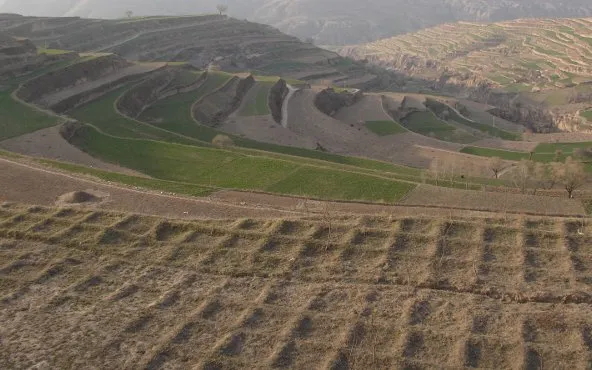
An SLM Technology is a land management practice that controls land degradation and enhances productivity and/ or other ecosystem services.
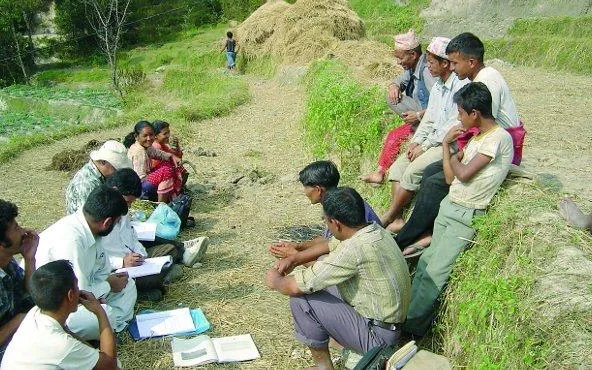
An SLM Approach defines the ways and means used to implement an SLM Technology, including the stakeholders involved and their roles.
Key topics
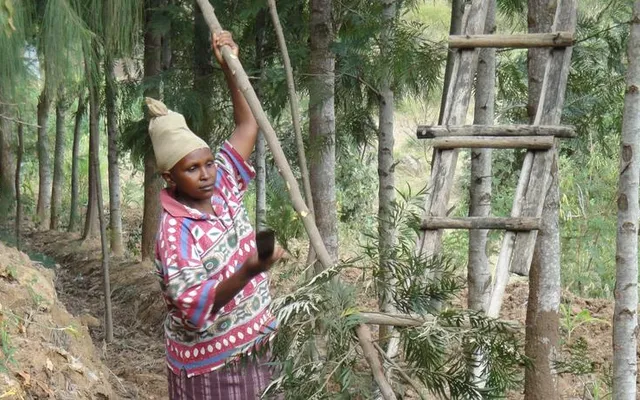
Check out or contribute gender-disaggregated data, using the UNCCD-WOCAT gender-responsive SLM tool.
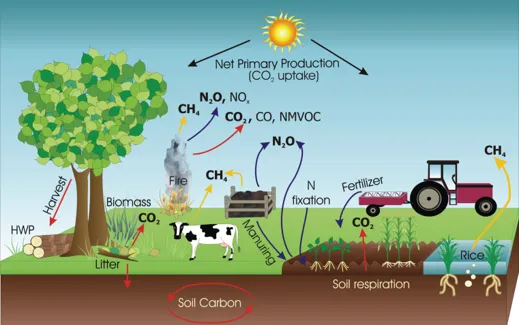
Estimate Carbon Benefits and greenhouse gas emissions of an SLM Technology using the CBP tool.
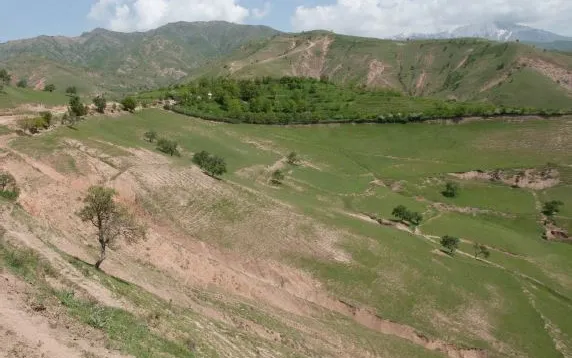
Assess whether a specific SLM Technology is adapted to gradual climate changes and climate-related extremes.
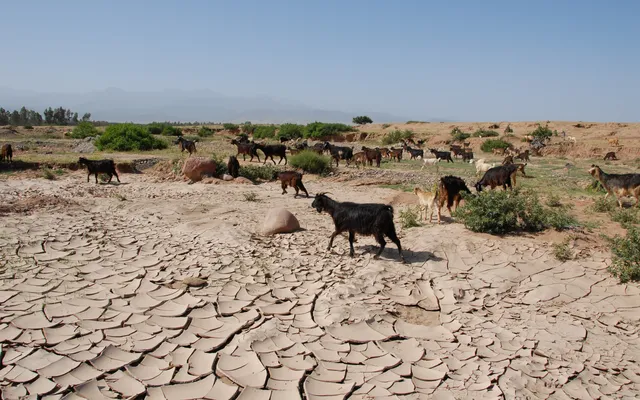
Find SLM Technologies that help to mitigate risk and prepare and respond to Drought.
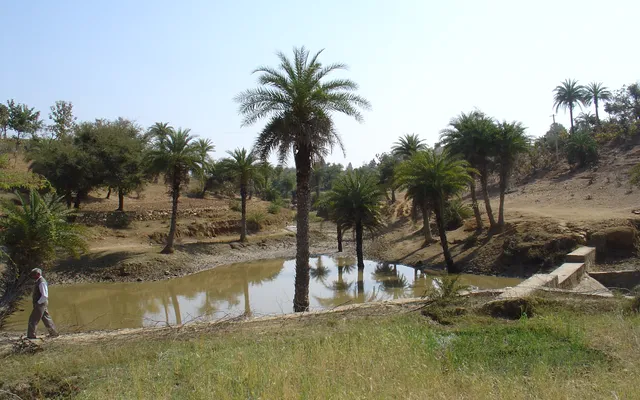
Access SLM Technologies that aim at Harvesting Water.

Find SLM Technologies relevant to prevent or reduce Sand and Dust Storms (SDS).
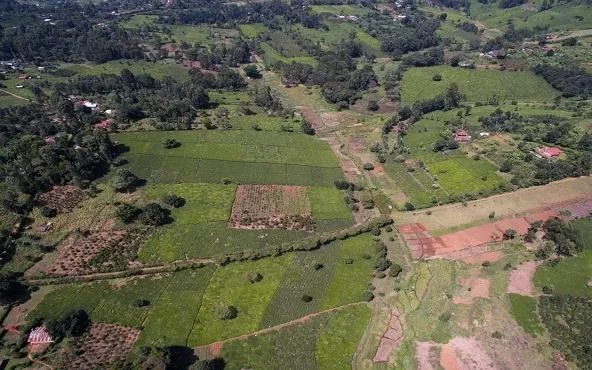
Learn more about the ECON dataset, providing data on costs and benefits of SLM Technologies, harmonized across countries and practices.
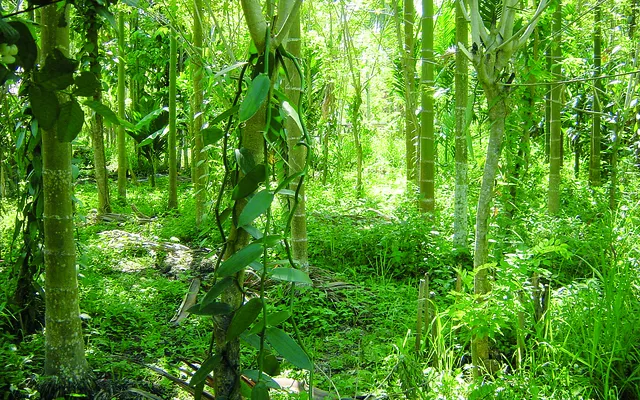
Find SLM Technologies that are relevant to conserve Biodiversity.
SLM practices per Ecosystem
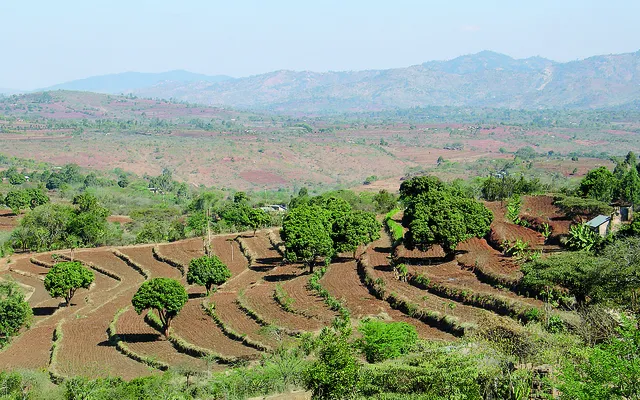
Find SLM practices for cropland.
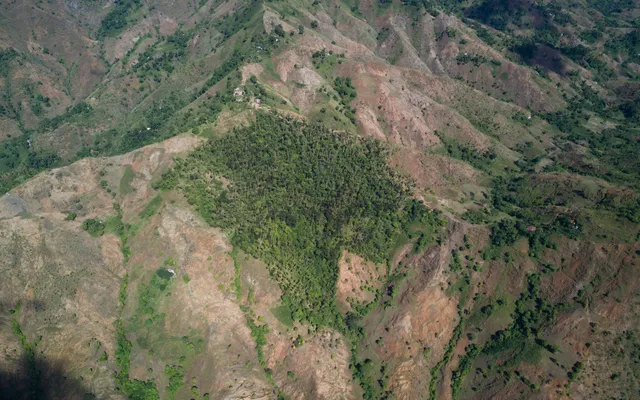
Access SLM practices relevant to manage forests.

Check out SLM practices in rangelands.
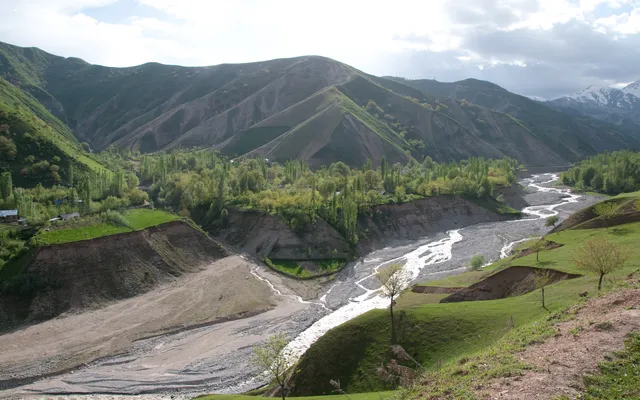
Find SLM practices in mountains/ high altitude.
UNCCD PRAIS 2
Access archived PRAIS SLM best practices, as shared through the former UNCCD PRAIS system (until 2014) as part of the UNCCD reporting process.