Sorting by "Updated at"
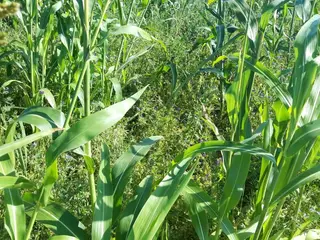
Возделывание сахарного сорго в бинарных посевах с люцерной на засоленных почвах Кызылординской области [Kazakhstan]
Введение в рисовые севообороты сахарного сорго в смешанном (бинарном) посеве с люцерной - один из способов восстановления плодородия вторично засоленных почв в условиях дефицита оросительной воды, а также диверсификации сельскохозяйственного производства путем создания устойчивой кормовой базы животноводства.
- Compiler:
- Kulyash Iskandarova
- First published:
- 2023-07-12 17:19
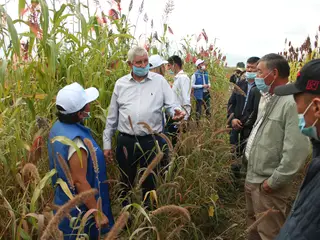
Распространение практик устойчивого землепользования путем организации демонстрационных участков и проведения дней поля [Kazakhstan]
Организация пилотных демонстрационных участков и проведение Дней поля - мероприятия для региональных заинтересованных сторон, в основном фермеров, для получения информации о технологиях УЗП, приемах восстановления деградированных земель и пастбищ, перспективных для региона засухо- и солеустойчивых культурах и технологиях их выращивания, демонстрации результатов проекта ИСЦАУЗР-2 по расширению практики борьбы с засолением и реабилитации деградированных орошаемых земель.
- Compiler:
- Kulyash Iskandarova
- First published:
- 2023-04-11 15:14
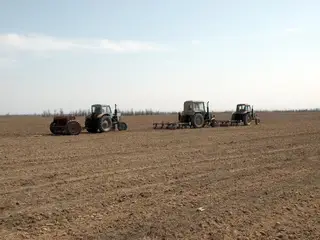
Fallow restoration by no-tillage seeding [Kazakhstan]
Fallow land restoration for fodder production is combined with biodiversity conservation of natural steppe vegetation by no-tillage disc-harrowing and seeding of forage grass in low density.
- Compiler:
- Heino Hertel
- First published:
- 2017-05-28 17:21
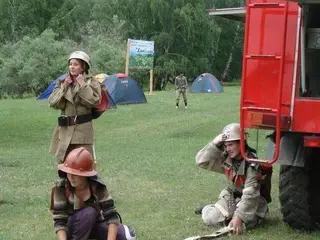
Establishment of educational ranger stations to involve youth in nature protection activity [Kazakhstan]
Establishment and activity of educational ranger stations on the basis of forestry units and secondary schools to involve youth in nature protection activity to conserve, restore and study unique natural features of the Kazakh Altai (in the frame of CACILM).
- Compiler:
- Azhar Yeszhanova
- First published:
- 2017-08-03 16:28
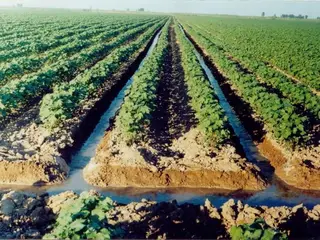
Water-conservation technology at cultivation of the cotton in south. K [Kazakhstan]
The technology of watering through furrow reduces the settlement (recommended) sizes of irrigating norms up to 30% keeps soil fertility
- Compiler:
- Unknown User
- First published:
- 2017-05-26 11:32
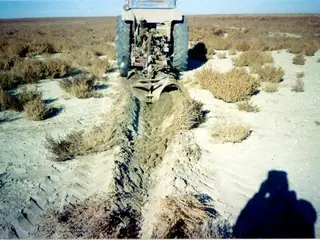
Technology of fastening Aral sea's drained bottom' s soil [Kazakhstan]
Technology of fastening Aral Sea's drained bottom's soil
- Compiler:
- Vladimir Kaverin
- First published:
- 2017-05-25 17:10
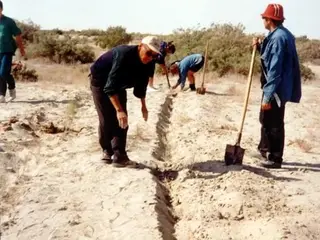
creation of meliorative plantings for struggle with erosion [Kazakhstan]
Technology of creation of meliorative plantings for struggle against wind and water erosion
- Compiler:
- Vladimir Kaverin
- First published:
- 2017-06-01 15:14
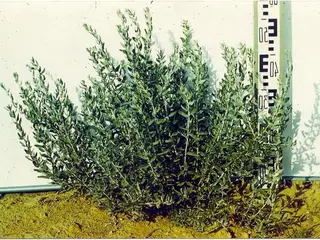
Creation of artificial pasturable phytocenosis at north desert subzone [Kazakhstan]
Selection fodder plants and the technology of their cultivation for maximal use of poor soil water in desert
- Compiler:
- Unknown User
- First published:
- 2017-05-26 13:50
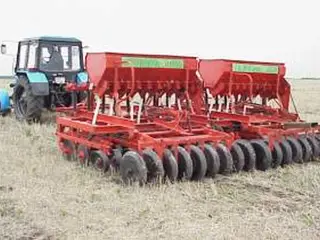
Conservation Agriculture for cereal production in rainfed areas of Kazakhstan [Kazakhstan]
Conservation agriculture applied in Northern Kazakhstan is based on no-tillage direct sowing of cereals into the soil permanently covered by crop residues. It contributes to reverse soil degradation, enhance water use efficiency, increase crop productivity in the rainfed lands.
- Compiler:
- Kulyash Iskandarova
- First published:
- 2020-03-09 14:59
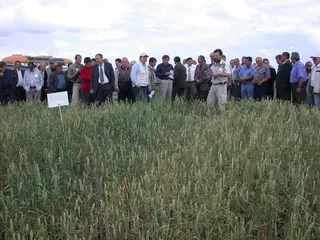
Awareness Raising for SLM Using Conservation Agriculture [Kazakhstan]
Raising awareness and strengthening the capability and skills of farmers, agriculture specialists and researchers in developing and adoption resource-saving, profitable and environmentally friendly cereal production through Conservation Agriculture practices.
- Compiler:
- Kulyash Iskandarova
- First published:
- 2020-03-10 09:39
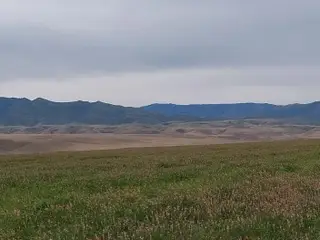
Creation of sown cultural pastures for summer-autumn use in the conditions of the foothill zone of south-eastern Kazakhstan [Kazakhstan]
Creation of cultivated pastures for summer-autumn use with sowing of perennial drought-resistant forage crops (sainfoin under barley cover - for summer use, izen - for autumn use) in the conditions of the foothill zone of south-eastern Kazakhstan
- Compiler:
- Kulyash Iskandarova
- First published:
- 2023-07-12 17:05
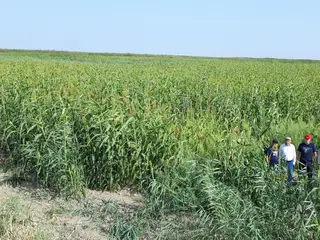
Introduction of sweet sorghum into rice crop rotations to restore degraded saline lands and diversify agricultural production [Kazakhstan]
The introduction of sweet sorghum into rice crop rotations is one of the approaches to restoring degraded lands under conditions of irrigation water scarcity and secondary soil salinization, while also diversifying agricultural production in local communities through the development of a stable fodder base for livestock husbandry.
- Compiler:
- Kulyash Iskandarova
- First published:
- 2023-03-29 09:08
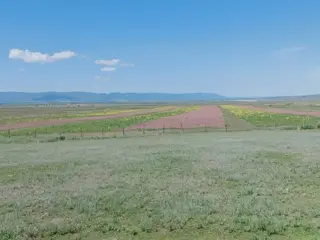
Fundamental Improvement of Low-Productivity Pastures through Strip Planting of Perennial Drought-Resistant Grasses in the Foothill Semi-Desert Zone of Southeastern Kazakhstan [Kazakhstan]
Radical improvement of low-yield pastures by strip placement of perennial drought-resistant grasses in the conditions of the foothill-semi-desert zone of south-eastern Kazakhstan
- Compiler:
- Kulyash Iskandarova
- First published:
- 2023-02-24 12:17
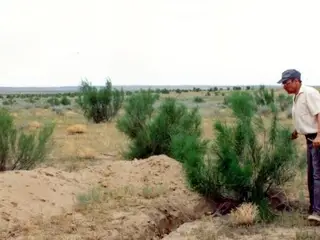
Creation of haloxylon pasture-protective strips at north desert [Kazakhstan]
Localization of erosion processes and moisture accumulation by creation haloxylon strips in pastures of north desert
- Compiler:
- Unknown User
- First published:
- 2017-05-25 17:59
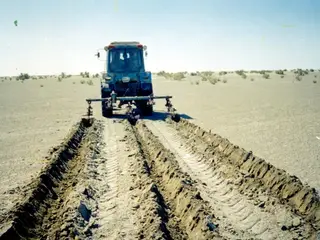
The approach of groove fastening sandy loam and sandy soils of the Aral sea's drained bottom [Kazakhstan]
The approach of groove fastening sandy-loam and sandy soils of the Aral sea's drained bottom
- Compiler:
- Vladimir Kaverin
- First published:
- 2017-07-17 15:04
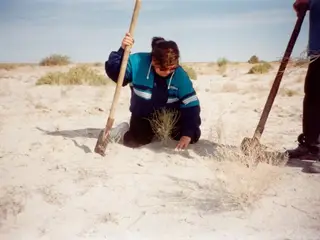
Principle of the excavated disposition of phytomeliorants on a pasturable lands of desert zone [Kazakhstan]
Principle of the excavated disposition of phytomeliorants on a pasturable lands of deserted zone of the Kazakhstan with the purpose of accumulation of an additional moisture and protection of territory against wind erosion
- Compiler:
- Unknown User
- First published:
- 2017-07-17 15:21
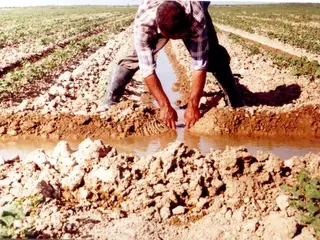
Watering through furrow [Kazakhstan]
Watering through furrow
- Compiler:
- Unknown User
- First published:
- 2017-07-17 15:39
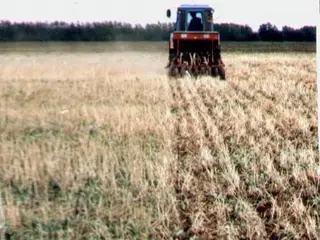
Crop on the stubble background [Kazakhstan]
Stubble crop for cultivation of grain crops (spring wheat).
- Compiler:
- Ervin Gossen
- First published:
- 2017-07-17 16:04
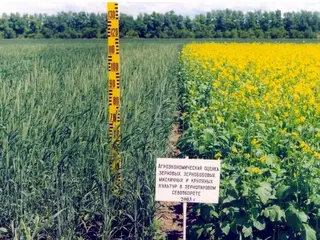
Soil-protective minimal technology of the tillage and sowing [Kazakhstan]
The minimal tillage for cultivation of grain crops (the second and third culture after fallow).
- Compiler:
- Ervin Gossen
- First published:
- 2017-05-26 12:05
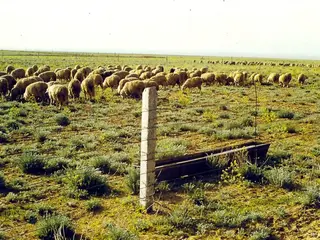
Creation of sowed pastures from subshrubs and forbs able to use maximally the scanty water resources [Kazakhstan]
Increase of use effectiveness of limited resources of soil moisture in desert with sowing xerophyte fodder plants
- Compiler:
- Irina Skorintseva
- First published:
- 2017-07-17 17:38
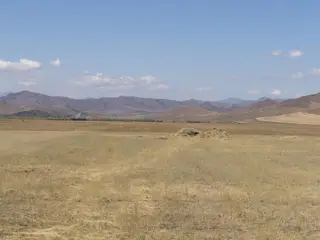
Creation of a perennial grass seed area (CACILM) [Kazakhstan]
Improvement of pastures through planting perennial legumes, cereals and grasses and creating seed banks.
- Compiler:
- Konstantin Pachikin
- First published:
- 2016-12-28 09:25
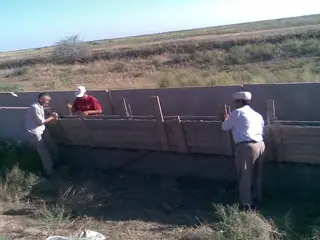
Off-season irrigation of fields and pastures as a mechanism for pasture improvement under climate change conditions in Southern Kazakhstan (CACILM) [Kazakhstan]
Early irrigation of fields and pastures to retain soil mоisture during the dry season in Southern Kazakhstan (in the frame of CACILM).
- Compiler:
- Azhar Yeszhanova
- First published:
- 2017-05-26 14:48
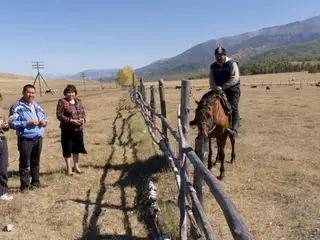
Rangeland management through the restoration of distant stock-breeding systems and the drastic improvement of rangelands [Kazakhstan]
The restoration of degraded rangelands and the improvement of their productivity through the organization of distant stock-breeding and the introduction of pasture rotation (in the frame of CACILM).
- Compiler:
- Konstantin Pachikin
- First published:
- 2017-08-03 15:44