Sorting by "Updated at"
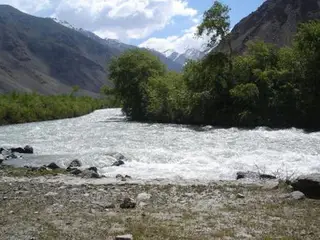
Planting poplar forest in the flood plains of high mountain river areas [Tajikistan]
The afforestation of the low productivity sandy lands in the river valley areas of arid highlands with fast growing poplar trees, provides the population with firewood as well as timber and also provides conservation benefits.
- Compiler:
- Gulniso Nekushoeva
- First published:
- 2017-03-15 17:23
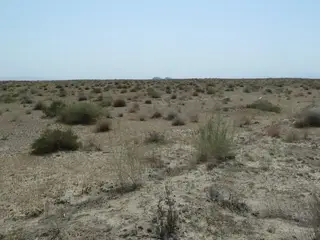
Saxaul plantation for stabilisation of sandy soils [Tajikistan]
Saxaul (Haloxylon ammodendron) bushes are planted on denuded sandy soils with the aim to reduce the rate of desertification.
- Compiler:
- Firdavs Faizulloev
- First published:
- 2017-03-15 16:01
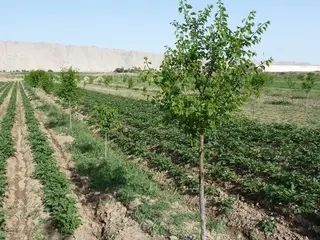
Rehabilitation of poor soils through agroforestry [Tajikistan]
An agroforestry system with peach, plum, sweet cherry and persimmon trees was established on a plot of land, with poor soil quality.
- Compiler:
- Natalia Mityakova
- First published:
- 2017-03-15 15:12
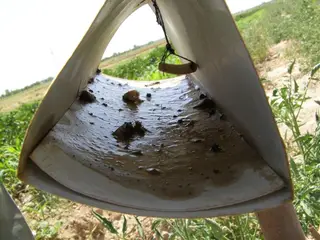
Pest management with pheromone insect traps [Tajikistan]
Coloured pheromone traps are set up in agricultural fields to attract and eradicate flying insect pests.
- Compiler:
- Firdavs Faizulloev
- First published:
- 2017-03-15 11:26
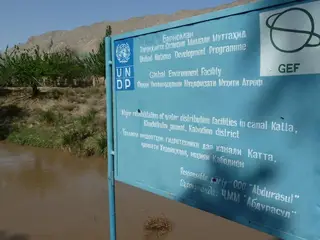
Rehabilitation of iron water gates to improve distribution of irrigation water [Tajikistan]
The recycling of broken iron water gates which can be used to regulate the water flow into smaller side canals were reconstructed along the main irrigation canal.
- Compiler:
- Natalia Mityakova
- First published:
- 2017-03-15 14:08
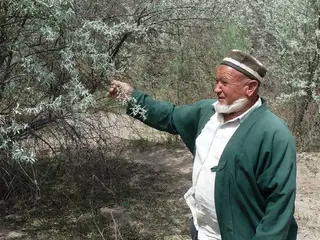
Tugai forest management through village committees [Tajikistan]
The described approach facilitates the establishment of contracts between village committees and local authorities for decentralised management of Tugai forest areas on State Reserve Land.
- Compiler:
- Firdavs Faizulloev
- First published:
- 2017-07-06 14:38
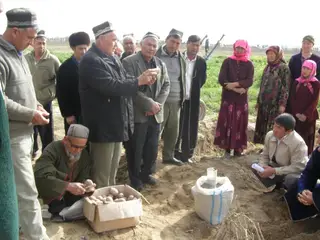
Central Asian Countries Initiative for Sustainable Land Management (CACILM) [Tajikistan]
Farmer Field Schools (FFS) are held to fill farmer's gaps in knowledge on the use of sustainable agricultural technologies, efficient irrigation water use and prevention of land degradation using trials tailored to local conditions.
- Compiler:
- Firdavs Faizulloev
- First published:
- 2017-07-06 10:51
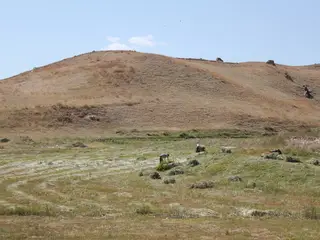
Pasture inclination used for developing grazing plan [Tajikistan]
In this approach the inclination of pasture land and its effect on the spread of sun and shadow is used to identify different periods for grazing. This simple approach will raise awareness and provides biological aspects in pasture management. In this approach the vegetation cover of the pasture is linked to the position of the sun. This is specific to mountain areas, where in one location vegetation periods can differ in two spots although they are in the same location.
- Compiler:
- Askarsho Zevarshoev
- First published:
- 2018-06-08 13:41
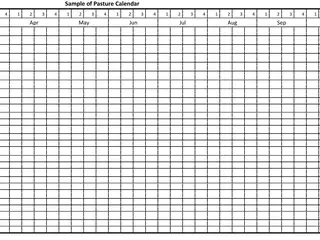
Pasture Calendar [Tajikistan]
Pasture calendar services the PUU as part of the implementation of the plan with a specific timeframe and activities. It helps communities in designing intervention with regard to the need of agreed activities in the calendar.
- Compiler:
- Askarsho Zevarshoev
- First published:
- 2018-06-08 13:33
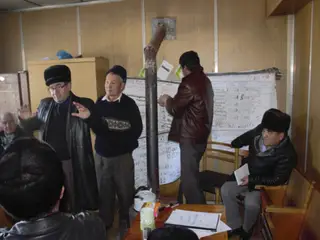
Pasture and Livestock Management Plan [Tajikistan]
"Pasture and Livestock Management Plan" is a participatory approach which is guiding pasture users, members of Pasture User Unions and Pasture User Groups to develop their action plan on pasture and livestock management. The approach brings together stakeholders, who are involved at any stage in pasture management or can contribute to or impede the implementation of the pasture livestock management plan.
- Compiler:
- Askarsho Zevarshoev
- First published:
- 2018-06-08 13:33
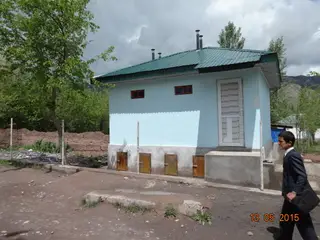
Санитарно-гигиеническая и сельхозяйственное значение эко-санитарных туалетов. [Tajikistan]
Технология использование экосанитарные туалеты состоит в том, что протцесс выполнение туалета идёт с раздельным сбором урины и фекалий и их последующимиспользованием в качестве удобрений. Практика внедрения и работы экосанитарных (или «сухих») туалетов показала их важное значение врешении проблемы загрязнения человеком окружающей среды на бытовом уровне.
- Compiler:
- MIZROBSHO AMIRBEKOV
- First published:
- 2018-06-18 22:42
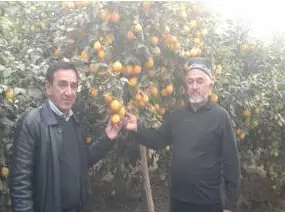
Снижения водопотрибление цитрусовых культур в типличных условиях [Tajikistan]
Дождевальная технология облегчает ручной труд фермера и улучшет процес фотосинтеза путем смывания с листьев пыля за счет этого рост и развитие растении цитрусовых культур.
- Compiler:
- Rustam Kalandarov
- First published:
- 2020-02-05 15:06
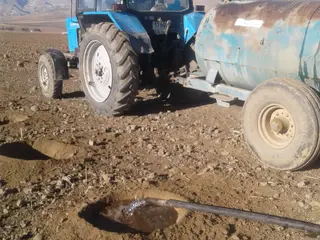
Зимный полив для влагозарядки почвы перед посадкой садов и виноградников в условиясх засушливого зимы. [Tajikistan]
Технология заключается в том, что в некоторые годы зима очень засушливая. Для посадки саженцев почва не готова, по этому после разбивки участка надо копать лунки и заполнять их водой каждую. Через пару дней почва хорошо впитывает воду и уже можно сажать саженцев
- Compiler:
- Rustam Kalandarov
- First published:
- 2020-02-05 15:06
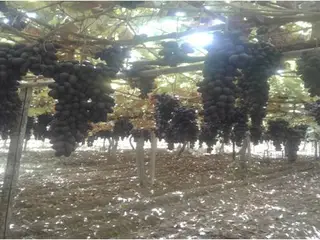
: Сохранения почвенного покрова от эрозии и деградации путем возделывания воишным системе ведения виноградников [Tajikistan]
В технологии приводится описание виноградников на воише: как кусты формировать, и устройство шпалеры, тип обрезки, схема посадки и Агро уход.
- Compiler:
- Rustam Kalandarov
- First published:
- 2020-02-05 15:06
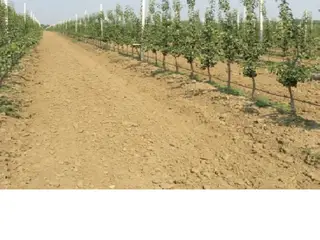
Эффективная использования земель под интенсивный садоводства [Tajikistan]
В технологии приводятся данные по эффективному использованию земель под сады путем посадки на 1 га 2083 -2500 шт. саженцев по схеме 4,0 х 1,2м. 4,0 х 1.0 м. и получить от 30 до 40 тонн урожая с сохраняя экосистемы. Технология применялась в фермерском хозяйстве «Асадулло» на площади более 150 га. Природные условия богарные и поливные под капельным орошением сады и виноградники. Землепользователи занимаются в основном садоводствам и виноградарством, от которых получают хорошие доходы.
- Compiler:
- Rustam Kalandarov
- First published:
- 2020-02-05 15:05
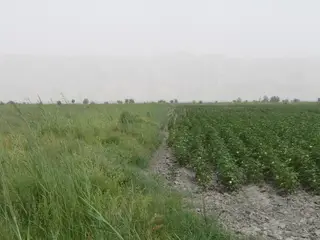
Применение дренажных минерализированных вод при реабилитации плодородия маргинализированных орошаемых земель аридных территорий [Tajikistan]
Промывка вторично сильно засолившихся орошаемых земель, дренажными водами ,с целью восстановления их плодородия , проводится в зимне–ранне-весенний период, в отсутствие пресной воды в оросительных каналах . При этом происходит более эффективное вторичное использованию сбросной дренажной воды . И сразу же после промывки, эти бывшие пустующие земли, можно использовать для выращивания сельскохозяйственных культур
- Compiler:
- Gulniso Nekushoeva
- First published:
- 2018-06-01 11:32
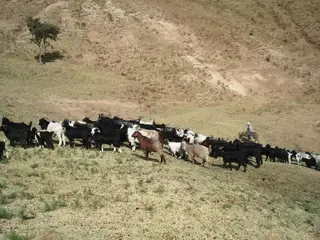
Family-based daily herding [Tajikistan]
Private herding of 50 goats by the land user and his sons.
- Compiler:
- Christian Wirz
- First published:
- 2017-07-05 17:24
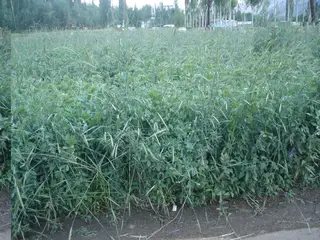
Совместные посевы зерновых и бобовых культур- традиционная технология малоземельного Памира [Tajikistan]
Совместные посевы зерновых и бобовых культур- традиционная древняя технология высокогорного аридного малоземельного Памира.
- Compiler:
- Gulniso Nekushoeva
- First published:
- 2017-07-31 16:29
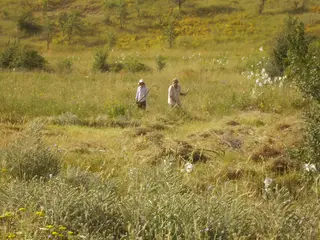
Sustainable livestock and pasture management [Tajikistan]
Sustainable livestock and pasture management is implemented through creating Pasture Users Unions (PUU) which design and implement pasture and livestock management plans.
- Compiler:
- Kamolidin Abdulloev
- First published:
- 2022-05-17 09:40
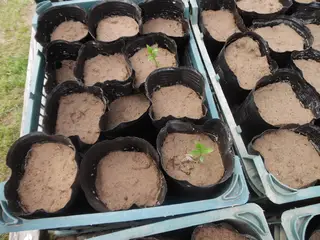
Production of drought-resistant fruit seedlings by women's groups. [Tajikistan]
Drought-resistant fruit seedlings are being produced by vulnerable, women-led households in backyard nurseries. These will be planted out in agroforestry plots within the dry agrolandscapes of Southern Tajikistan.
- Compiler:
- Daler Domullodzhanov
- First published:
- 2022-03-02 09:33
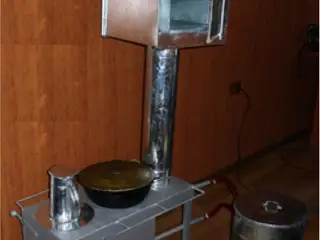
Modified stoves to improve household energy efficiency and reduce impact on forests [Tajikistan]
This energy-efficient stove was developed in close cooperation with the local blacksmith and pilot households. Its major features are a shorter burning chamber, lower height, air draft controller, enlarged burners and double circled pipes for heating water. The modified stove consumes much less firewood. It is possible to add heat exchangers and water boiling tank/water radiators which will further increase efficiency.
- Compiler:
- Daler Domullodzhanov
- First published:
- 2022-02-15 09:54
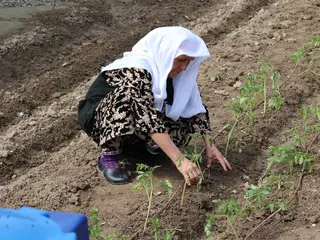
Drip irrigation for kitchen gardens in dry areas [Tajikistan]
Promotion of low-pressure drip irrigation kits among vulnerable women-led households in dry agrolandscapes of Southern Tajikistan has helped to fight desertification, improve food security and enhance economic opportunities.
- Compiler:
- Daler Domullodzhanov
- First published:
- 2022-02-14 09:32
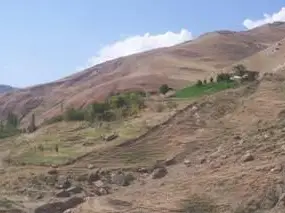
Enhancement of existing SLM technologies into demonstration sites [Tajikistan]
Enhancement of existing self developed SLM technologies into demonstration sites.
- Compiler:
- Habib Kamolidinov
- First published:
- 2017-07-06 16:53
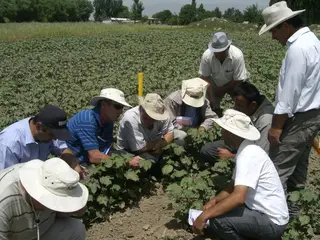
Technical Assistance Groups (TAG) [Tajikistan]
Technical advisory groups working on a 'fee for service' basis provide an effective service to farmers to achieve measurable yield increases, based on regular crop monitoring, crop management advice and effective use of inputs (fertilisers, water, pesticides, etc.)
- Compiler:
- Philippe Zahner
- First published:
- 2017-07-07 10:20
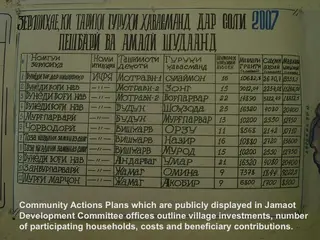
SLM small grant allocation mechanisms [Tajikistan]
Mechanisms to facilitate participatory decision-making about grant allocation among land users and improve transparency and accountability in flow of funds to beneficiaries in small-grant programmes for SLM.
- Compiler:
- Nandita Jain
- First published:
- 2017-07-07 10:36
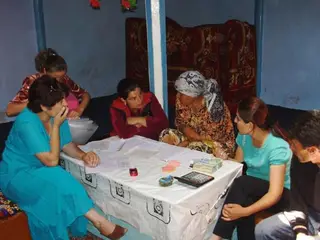
Access to thermal insulation through micro loans [Tajikistan]
Provision of small scale loans for private households to ensure access to thermal insulation (in the frame of CACILM).
- Compiler:
- Roziya Kirgizbekova
- First published:
- 2017-07-06 16:16
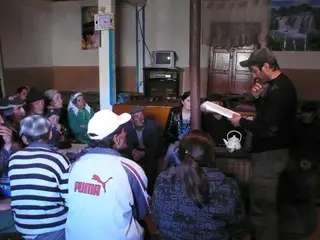
Savings Book Approach [Tajikistan]
Reforestation of deserted state forest plots through a financial incentive system for the labour intensive first years of forest establishment, after which harvests of forest products from the plot provide income opportunities for the forest tenants and the State Forestry Agency (in the frame of CACILM).
- Compiler:
- Roziya Kirgizbekova
- First published:
- 2017-07-06 15:59
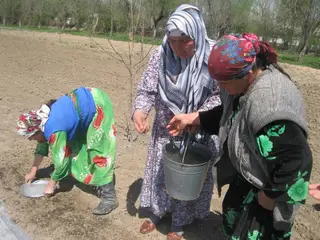
Public Women's Organisation Zamzam - enhancing incomes for poor women through income generation activities [Tajikistan]
The development of a women's network to disseminate information, provide training, and provide support to other women in the community to help them improve their livelihoods, and provide a forum by which women's issues can be raised at a local level.
- Compiler:
- Lisa Gampp
- First published:
- 2017-07-06 16:43
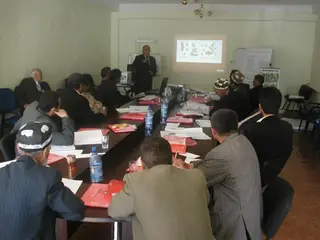
Facilitation of community-based pasture management initiatives [Tajikistan]
Initiation of community-based solutions to slow down pasture degradation, and to improve pasture use and management in three pilot Jamoats of upland Tajikistan.
- Compiler:
- Mizrob Amirbekov
- First published:
- 2017-07-07 09:43
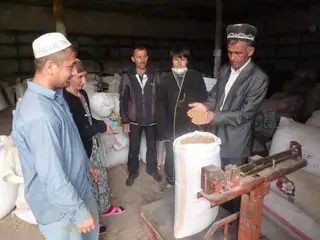
District Wheat Seed Association [Tajikistan]
The Seed Association was established with the aims of improving the living conditions, food security, land management and crop rotation systems in irrigated and rain fed areas. The Seed association in Muminabad is registered at a district level and coordinates the activities of the farmers and members.
- Compiler:
- Sa'dy Odinashoev
- First published:
- 2017-07-06 14:22
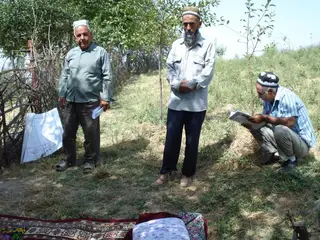
Livestock Committee at Village Level [Tajikistan]
Livestock committees were established with the goal to improve livestock health as well as natural resource management in the watersheds where the village pastures were situated. Livestock committees in the Muminabad district are organised at village level and coordinate their activities through the registered livestock association at district level.
- Compiler:
- Sa'dy Odinashoev
- First published:
- 2017-07-06 09:57
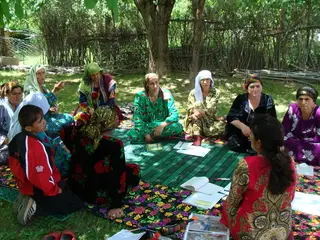
Implementation through the government's Women's Affair Officers. [Tajikistan]
The use of the government appointed District Womens Affair Officer to mobilise women throughout the community to implement technologies.
- Compiler:
- Sa'dy Odinashoev
- First published:
- 2017-07-06 17:15
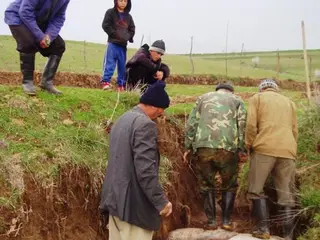
Village school participation and involvement [Tajikistan]
A competitive tendering process for project grant money to implement identified SLM practices within a community, and on completion of the implementation activities the village school will be assigned ownership and responsibility for the maintenance and sustainability.
- Compiler:
- Daler Domullojonov
- First published:
- 2017-07-06 13:53
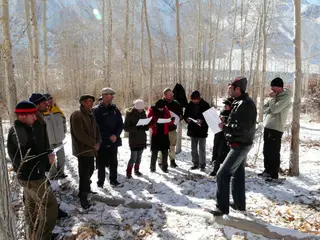
Joint Forest Management (JFM) [Tajikistan]
Protection and rehabilitation of state forests based on joint long term agreements set up between the State Forestry Agency, and local forest users (in the frame of CACILM).
- Compiler:
- Roziya Kirgizbekova
- First published:
- 2017-07-06 11:18
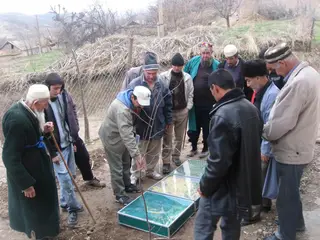
Facilitation of micro-watershed management for farmers [Tajikistan]
Relying on integrated watershed management principles, farmers were assisted by the project to implement soil and water conservation measures in a microwatershed.
- Compiler:
- Manuchehr Rakhmatdzhonov
- First published:
- 2017-07-06 15:31
Joint Land User Initiative [Tajikistan]
Joint initiative of neighbouring land users to prevent soil erosion in steep sloping cropland.
- Compiler:
- Erik Bühlmann
- First published:
- 2017-07-05 15:22
Voluntary Labour Assistance [Tajikistan]
Voluntary labour assistance for labour intensive activities whereby community members help each other in contributing labour on the basis of mutual understanding.
- Compiler:
- Erik Bühlmann
- First published:
- 2017-07-05 14:58
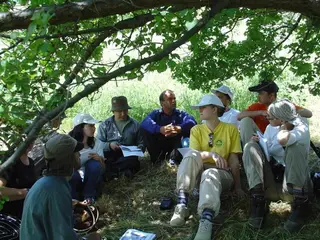
Farmer innovation and self-help group [Tajikistan]
An innovative land user, assisted by a self-help group has overcome many administrative and technical problems to establish a fruit garden on previously degraded communal grazing land.
- Compiler:
- Murod Ergashev
- First published:
- 2017-07-05 14:34
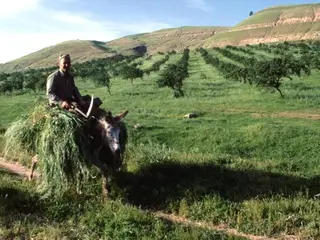
Transition from a centralised regime to a local initiative [Tajikistan]
A land use system established during the previous authoritarian regime of the Soviet Union is now being adapted to the farmers' needs via their own initiative.
- Compiler:
- Sanginboy Sanginov
- First published:
- 2017-07-05 14:00
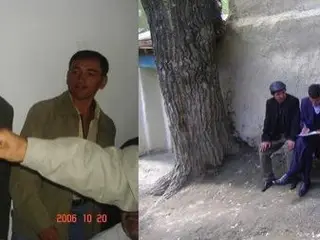
Sub-district (Jamoat) level support for sustainable land management [Tajikistan]
Provision of technical and financial management assistance through Jamoat (“Sub-District”) level organizations to farmers in a large small grants programme.
- Compiler:
- Nandita Jain
- First published:
- 2017-07-07 11:27
- . . .