Sorting by "Updated at"
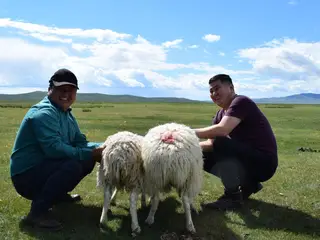
Lamb Fattening Practice for Sustainable Rangeland Management [Mongolia]
This technology is a sustainable herd management approach that reduces grazing pressure on Mongolia’s arid and semi-arid rangelands by improving lamb production and optimizing herd structure. Through supplementary feeding of lactating ewes, early marketing of male lambs, and improved herd management, it increases livestock productivity, enhances herder income, and supports long-term rangeland sustainability.
- Compiler:
- Undarmaa Dagvasuren
- First published:
- 2026-08-13 17:35
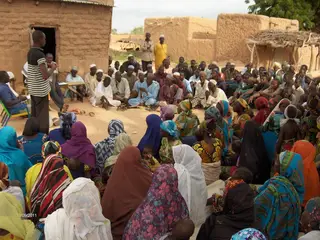
Consensus-based management of the rangelands of Guidan Issa [Niger]
The consensus-based management of the area of Guidan Issa consists of rehabilitating this resource for agro-pastoral livelihoods in a participatory and inclusive way, by considering the various actors involved in the exploitation and management of this rangeland area.
- Compiler:
- Judith Macchi
- First published:
- 2017-11-01 09:42
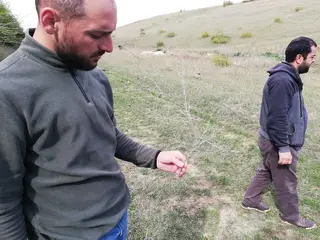
Participatory Grassland and Rangeland Assessment (PRAGA) [Georgia]
The Participatory Rangelands and Grasslands Assessment Methodology (PRAGA) is a rapid, cost-effective framework for the integrated assessment of rangeland ecosystems, incorporating diverse data sources and participatory approaches. PRAGA facilitates stakeholder engagement through consultations and workshops, underpinned by community-based mapping of grazing areas, land use dynamics, and trend analyses.
- Compiler:
- Nicholas Euan Sharpe
- First published:
- 2025-12-16 08:26
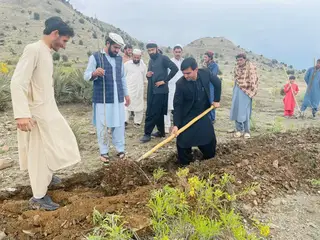
Community based reforestation initiatives to restore degraded forest and rangeland [Afghanistan]
Community-driven reforestation initiative that involves awareness-raising, capacity building, feasibility analysis, and collaboration among various stakeholders to address land degradation and promote sustainable forest and rangeland management
- Compiler:
- Mohammad Aslam Hasand
- First published:
- 2025-03-23 08:17
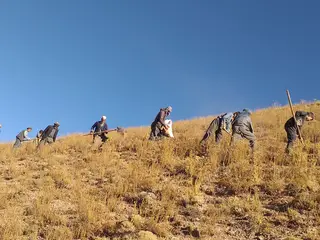
Reseeding local fodder species in Bamyan rangelands using indigenous and scientific methods [Afghanistan]
Artificial reseeding is a key method for restoring degraded rangelands. It involves reintroducing native, palatable fodder species to improve vegetation cover, soil health, and biodiversity. This process boosts forage for grazing animals, stabilizes soil, and helps combat desertification, enhancing ecosystem health and productivity.
- Compiler:
- Gul Nabi Khan Noorani
- First published:
- 2025-01-27 08:19
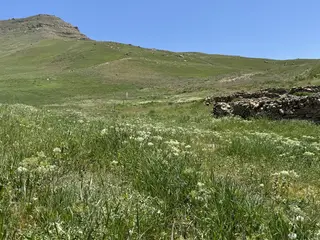
Implementing Site Quarantine to reduce rangeland degradation in the highlands of Badghis [Afghanistan]
Restoring degraded rangelands through quarantine in Qadis district, Badghis Afghanistan.
- Compiler:
- Shamsulhaq Shams
- First published:
- 2025-03-23 08:03
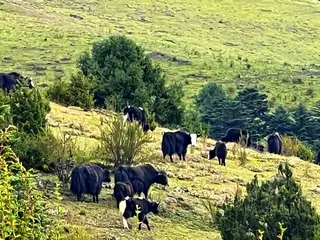
Managed Burning of Rangeland [Bhutan]
Burning of rangeland (“tsamdro”) is a traditional management practice adopted by highlanders to control unpalatable grass and shrub species. This helps them produce adequate fodder for their yaks, cattle, horses, and sheep by creating a favorable environment for palatable grasses.
- Compiler:
- ONGPO LEPCHA
- First published:
- 2024-02-28 17:39
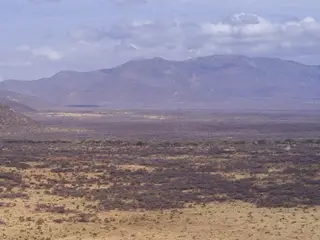
Holistic Rangeland Management combined with high end tourism [Kenya]
The establishment of a community wildlife conservancy facilitates (1) 'holistic rangeland management' refering to a to the implementation of a suite of management practices aimed at sustaining and/or improving rangeland productivity such as 'bunched grazing' (livestock concentrated for short duration intensive grazing), short-term 'bomas' (livestock corrals occupied for ~7 days), clearing invasive species and reseeding with grass to assist land rehabilitation/restoration; and (2) High end tourism and monetary donations facilitated by the Northern Rangelands Trust provide funding for the implementation of improved grazing practices and additional income for the community and the reduction of livestock grazing pressure.
- Compiler:
- Harry Wells
- First published:
- 2018-05-21 20:46
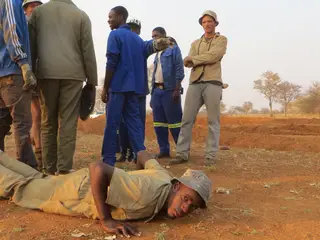
Arrangements to convert degraded rangeland into fruitful landscape [Namibia]
Making arrangements between a commercial farmer and agriculture students to raise the productivity of rangeland - through managing runoff to grow multipurpose trees and bushes.
- Compiler:
- Ibo Zimmermann
- First published:
- 2018-02-05 11:31
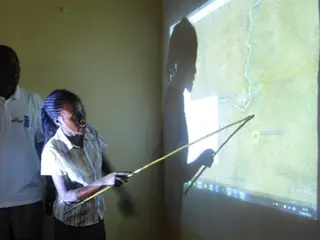
Participatory mapping, database building, and monitoring of rangeland resources [Kenya]
Participatory mapping and monitoring of vegetation types and other natural resources in the rangelands. This involves convening stakeholder groups, reviewing conditions of rangeland, water and other resources under changing climatic conditions.
- Compiler:
- IBRAHIM JARSO
- First published:
- 2018-05-13 17:44
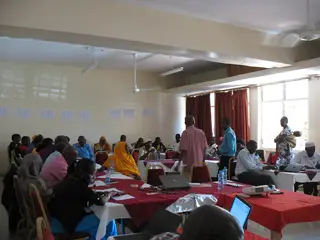
Inclusive strategic planning for water, energy and climate change in the rangelands [Kenya]
Inclusive strategic planning for water, energy and climate change in the rangelands at county, sub-county, ward and location levels. This involves convening stakeholder groups and reviewing databases to prepare for future needs for rangeland, water and other resources under changing climatic conditions.
- Compiler:
- IBRAHIM JARSO
- First published:
- 2018-05-13 16:47
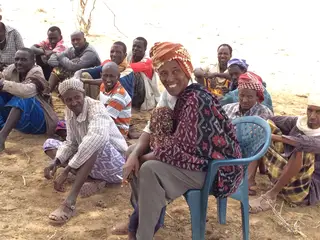
Empowering Dedha institutions in governing the natural resources of Isiolo rangelands [Kenya]
This approach – driven by communities and supported by various agencies - aims to revive and strengthen the traditional natural resource management institutions of Boran pastoralists in Northern Kenya. The traditional system, which was devised by the Boran pastoral community and honed over centuries to suit the challenges of the rangelands, has been steadily eroded by external factors and formalised systems after the emergence of the nation-state.
- Compiler:
- IBRAHIM JARSO
- First published:
- 2018-05-13 18:11
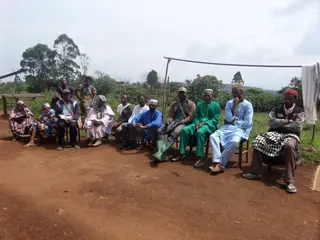
Promoting farmers and pastoralists consultations in managing rangelands. [Cameroon]
Dialogue platforms bring together rangeland users including farmers, pastoralists/agro pastoralists to learn, discuss and implement low stake conflict mitigation strategies and mutually beneficial alliances.
- Compiler:
- Blasius Azuhnwi
- First published:
- 2018-02-05 11:18
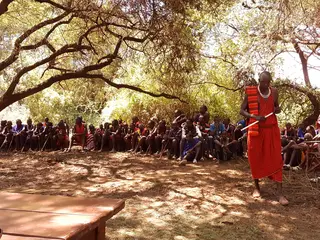
Community-based rangeland management in the southern Kenyan rangelands [Kenya]
Olkiramatian Group Ranch strengthened the capacity of its community governance structures and began to engage in more rigorous implementation of seasonal grazing plans. This was based on traditional ecological knowledge and rangeland management practices. The group ranch incorporated conservation, research, and joint rangeland management planning with neighboring communities.
- Compiler:
- Lance W. Robinson
- First published:
- 2018-03-13 16:50
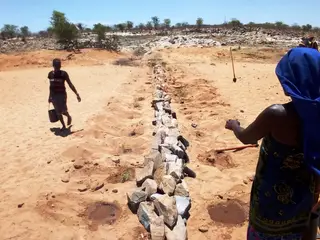
Community supported pasture and rangeland rehabilitation works [Angola]
Rehabilitation of rangelands involves selection of key pasture and fodder species, and their reintroduction into strategic areas through stakeholder participation. The technology is also supported by communal management plans, which were created to address the root causes of land degradation.
- Compiler:
- Nicholas Euan Sharpe
- First published:
- 2018-02-05 11:13
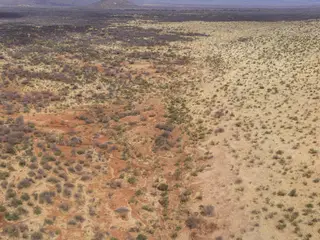
Rangeland Restoration by cutting invasive species and grass reseeding and managing grazing [Kenya]
This 'Rangeland Restoration' technology is part of a 'Holistic Rangeland Management' approach. It involves clearing of invasive vegetation (predominantly Acacia reficiens) and reseeding with grass (Cenchrus ciliaris) and allowing resting and reduced grazing pressure to rehabilitate degraded communal grazing land.
- Compiler:
- Harry Wells
- First published:
- 2018-05-22 07:57
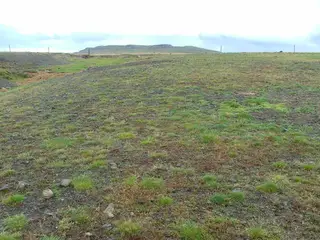
Fertilizing and re-seeding degraded rangelands [Iceland]
Rangeland restoration - Spreading small portions of inorganic fertilizer and seeds on degraded rangelands
- Compiler:
- Thorunn Petursdottir
- First published:
- 2017-03-15 16:26
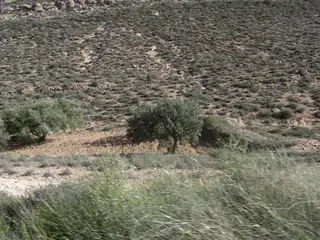
Rangelands resting [Tunisia]
This technique is based on the principle of leaving the rangeland protected (by excluding grazing during 2-3 years) to allow the plant cover to recover.
- Compiler:
- Mongi Ben Zaied
- First published:
- 2017-03-21 15:32
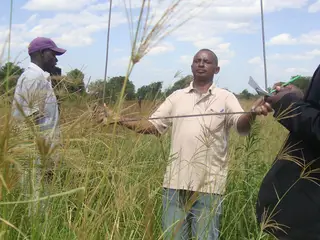
Rangeland Improvement in Savanah with High Livestocks [Tanzania]
Improvement of degraded rangeland in savannah using multiple rangeland improvement techniques that complement each other to optimize livestock production and productivity sustainably.
- Compiler:
- Jasson Rwazo
- First published:
- 2017-01-04 16:32
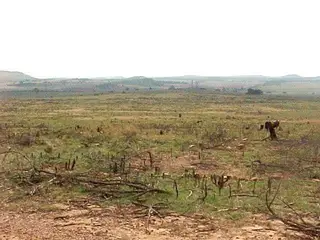
Restoration of degraded rangeland [South Africa]
Eradication of invasive species and revegetation of degraded rangelands by different treatments, including oversowing with grass seed mixture, supplementing with lime, cattle dung, and "brush packing" (laid out branches).
- Compiler:
- Klaus Kellner
- First published:
- 2017-01-04 15:01
Rangeland Rehabilitation [South Africa]
Rangeland rehabilitation where we use perennial grasses to rehabilitate the footslopes in a semi-arid region on a clay loam soil
- Compiler:
- Franci Petra Jordaan
- First published:
- 2017-04-14 16:29
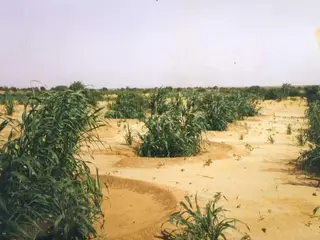
Semi-circular bunds (for crops and forest/rangeland) [Niger]
Semi-circular bunds are used to rehabilitate degraded, denuded and hardened land for crop growing, grazing or forestry.
- Compiler:
- Dieter Nill
- First published:
- 2017-01-03 09:09
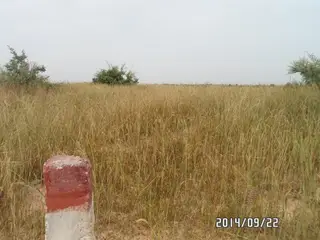
Rehabilitation and protection of the rangeland of Guidan Issa [Niger]
The rehabilitation of a rangeland consists of fencing and subsequently seeding with herbaceous plants adapted to arid zones and to degraded soils.
- Compiler:
- Maman Aicha
- First published:
- 2017-11-01 09:42
Contour bunds for crops and forest/rangeland [Niger]
Contour bunds, built with earth or stones, increase the amount of water available to crops and vegetation, thus contributing to the restoration of degraded land
- Compiler:
- Dieter Nill
- First published:
- 2016-12-27 17:01
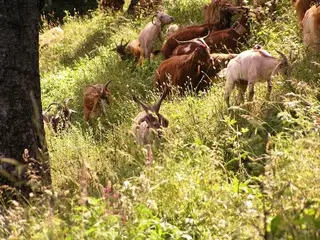
Controlled grazing in deciduous woods as an alternative to grazing on rangeland [Italy]
Controlled grazing in deciduous woods seasonally limited in summer when grass cover in rangeland suffers water stress.
- Compiler:
- Lorenzo Borselli
- First published:
- 2017-03-20 08:54
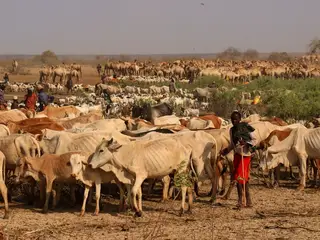
Northern Rangelands Trust - Livestock to Markets [Kenya]
Northern Rangeland Trust works across the rangelands of northern Kenya to improve market access to pastoral communities across 20,000 km2. The program improves local revenue generation, incentives to reduce herd size, and channels funding into improved rangeland management across the conservancies.
- Compiler:
- Peter Tyrrell
- First published:
- 2018-05-21 19:55
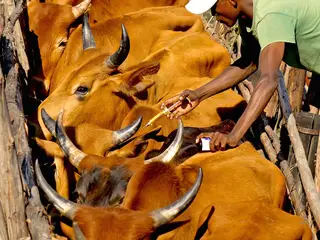
Mara Beef: value added beef for for improved rangeland management, livelihoods, and conservation. [Kenya]
Mara Beef provides a new direct to market sales approach for pastoralist's in Kenya, in an effort to make livestock production more viable to local landowners. This livestock production model is combined with rangeland management and training in an effort to improve pastoral livlihoods, restore rangelands and prevent degradation, and support biodiversity conservation.
- Compiler:
- Peter Tyrrell
- First published:
- 2018-04-20 14:27
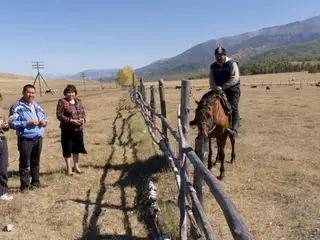
Rangeland management through the restoration of distant stock-breeding systems and the drastic improvement of rangelands [Kazakhstan]
The restoration of degraded rangelands and the improvement of their productivity through the organization of distant stock-breeding and the introduction of pasture rotation (in the frame of CACILM).
- Compiler:
- Konstantin Pachikin
- First published:
- 2017-08-03 15:44
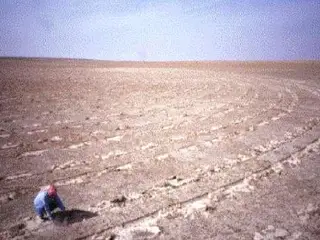
Government assisted rangeland rehabilitation [Syria]
The rehabilitation of overgrazed and denuded rangeland with government intervention
- Compiler:
- Unknown User
- First published:
- 2017-07-07 16:11
Integrated and collaborative approach in management of savannah rangelands with high livestock [Tanzania]
Using integrated and collaborative approach in managing land degradation and conflicts in Savannah range land with high livestock.
- Compiler:
- ALLAN BUBELWA
- First published:
- 2017-07-06 09:17
UNCCD PRAIS
Practice
Carbon Sequestration in the Desertified Rangelands of Hossein Abad [Iran]
- Compiler:
- UNCCD PRAIS
- First published:
- 2016-12-05 02:03
UNCCD PRAIS
Practice
Rehabilitation and Management of Rangelands
Rehabilitation and Management of Rangelands [Pakistan]
- Compiler:
- UNCCD PRAIS
- Creation:
- 2012-10-03 09:46