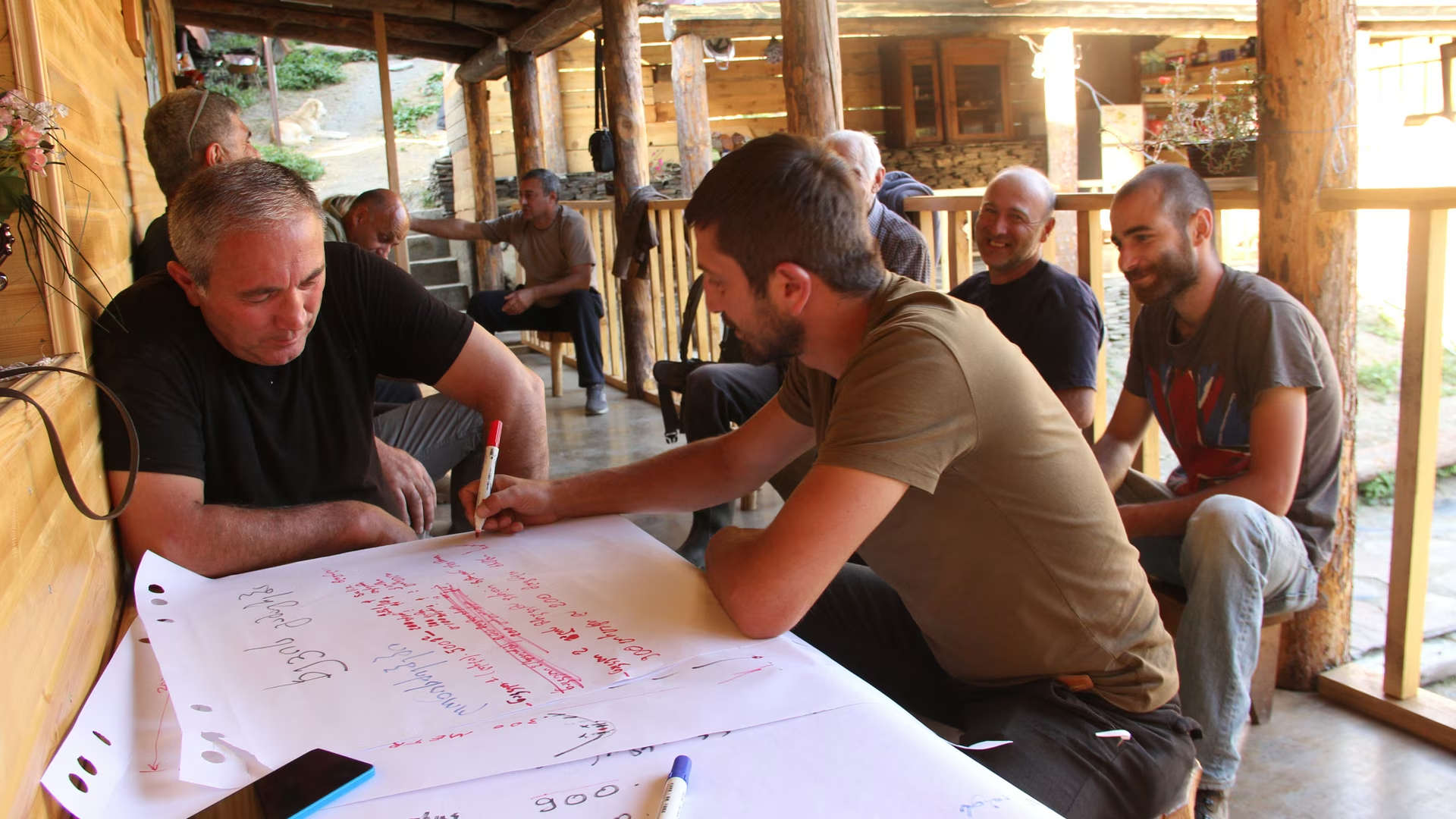
Integrated Pasture Management Planning in Mountainous Regions [Georgia]
- First published:
- 2020-08-31 19:17
- Updated:
- 2020-08-21 17:03
- Compiler:
- Hanns Kirchmeir
- Editors:
- Christian Goenner, Jonathan Etzold, Natia Kobakhidze
- Reviewers:
- Rima Mekdaschi Studer
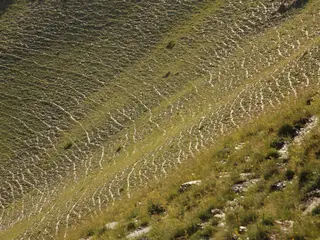
Remote Sensing as a Tool for Land Degradation Neutrality Monitoring [Georgia]
Land degradation contributes to biodiversity loss and the impoverishment of rural livelihoods in Tusheti. Above all, however, land degradation are triggered by climate change as traditional land use practise might not be adapted to new climate conditions which can cause or speed up degradation processes significantly. On the other hand, degraded land often leads to low biomass volumes and this reduces the ecosystem capability to stabilise local climate conditions. The concept of Land Degradation Neutrality (LDN) and the method of using remote sensing for monitoring land degradation are tools to identify the need for local planning processes. This showcase describes the LDN monitoring concept, national targets and the technology to assess indicators, mechanism and incentives for LDN.
- Compiler:
- Hanns Kirchmeir
- First published:
- 2020-08-31 13:02
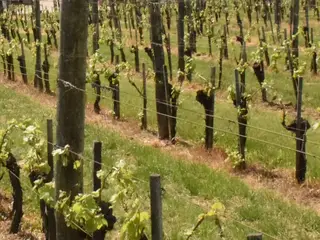
Permanent grass cover in vineyards [Hungary]
Permanent grass cover under grape vines protects the soil surface against erosion and compaction - and provides better conditions for traffic within the rows during mechanised field operations
- Compiler:
- Brigitta Szabó
- First published:
- 2023-04-24 10:31