Sorting by "Updated at"
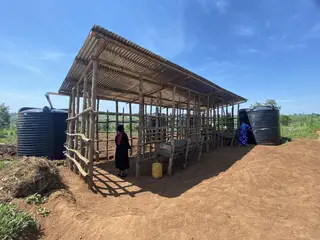
Rainwater Harvesting to Address Prolonged Drought: Advancing Gender Equality and Strengthening Community Resilience [Ruanda]
This technology captures rainwater from the roofs of cattle shelters at the farms, and stores it in tanks of 50 cubic meters capacity. This is complemented with tree planting where roots provide stabilisation of the soil, and mulching to maintain moisture in the soil. These measures reduce soil erosion and prevent the loss of nutrients by keeping the soil moist and holding it in place.. It provides enough water storage to start the agricultural season on time even during drought conditions and continue irrigation throughout the season when rainfall is not sufficient.
- Compilador/a:
- Miri Heatherwick
- First published:
- 2026-09-28 09:18
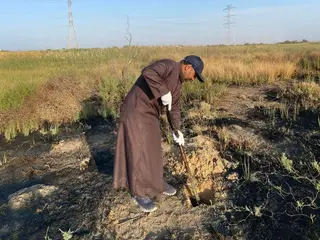
التشجير المقاوم للملوحة بإستعمال مياه متملحة لتعزيز استقرار الغطاء النباتي في البيئات الصحراوية - غابة بحيرة الأصفر [Arábia Saudita]
تعتمد التقنية على أسلوب غرس شتلات النباتات عالية المقاومة للملوحة مباشرةً في المياه الجوفية أسفل سطح التربة، على أعماق تتراوح تقريبًا بين 60 و120 سم. ويُطبق هذا الأسلوب على أطراف المستنقعات والبحيرات والسبخات المنتشرة في محيط واحة الأحساء شرقي المملكة العربية السعودية، بهدف الاستفادة من مصادر المياه المتاحة طبيعيًا في هذه البيئات، ودعم استقرار الغطاء النباتي وتعزيز قدرته على التكيف مع الظروف الصحراوية والملحية القاسية.
- Compilador/a:
- Ammar Al Buhwaih
- First published:
- 2026-09-02 10:51
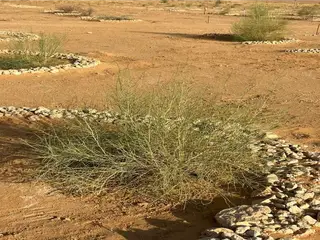
استعادة الغطاء النباتي في الأودية باستخدام تقنيات حصاد مياه الأمطار – منتزه أبو فحيحيل المفتوح [Arábia Saudita]
تقنية متكاملة لاستعادة الغطاء النباتي في بيئات الأودية الجافة تعتمد على الحماية المكانية (التسييج)، والتشجير بالأنواع المحلية، وتطبيق تقنيات حصاد مياه الأمطار (مثل الحواجز الحجرية والأقواس الهلالية)، بهدف تعزيز رطوبة التربة وتحفيز الاستقرار البيئي وزيادة الإنتاجية الحيوية.
- Compilador/a:
- Husain Alshehri
- First published:
- 2026-08-24 08:53
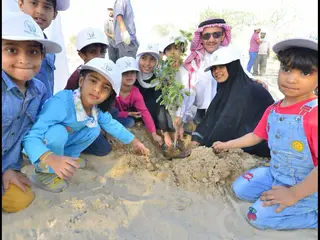
نهج التشجير لاستصلاح 2500 هكتار ضمن مبادرة السعودية الخضراء – تشجير غابة الأصفر [Arábia Saudita]
يمثل نهج التشجير التابع للمؤسسة العامة للري إطاراً مؤسسياً متكاملاً لاستصلاح الأراضي وزيادة الغطاء النباتي في البيئات الجافة، من خلال التخطيط والتنسيق وتعبئة الموارد وتطبيق تقنيات ملائمة لظروف المواقع، مع الاستفادة من المياه غير التقليدية والطاقة المتجددة وبناء القدرات والشراكات، ومتابعة التنفيذ والتوسع في تطبيق الممارسات الناجحة حتى عام 2030.
- Compilador/a:
- Abdulrahman Althumayri
- First published:
- 2026-08-20 10:31
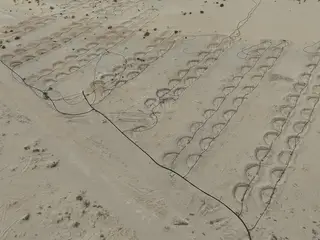
حصاد مياه الأمطار باستخدام الحفر نصف الدائرية (قوس هلالي) لزراعة اشجار المرخ بين الكثبان الرملية [Arábia Saudita]
تقنية لحصاد مياه الأمطار تعتمد على إنشاء أحواض نصف دائرية (أهلة) أبعادها (3×1.5×0.4 م) مرتبة بشكل تبادلي ومدمجة مع شبكة ري بالتنقيط تكميلية, وذلك لجمع الجريان السطحي وتثبيت الكثبان الرملية وتأهيل النباتات البرية المحلية (مثل المرخ) في المناطق الجافة بحوض بحيرة الأصفر.
- Compilador/a:
- Abdulrahman Althumayri
- First published:
- 2026-08-20 14:49
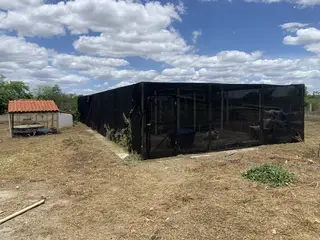
Viveiro Florestal de Produção de Mudas Nativas em Comunidade Indígena no Semiárido [Brasil]
Viveiro de produção de mudas nativas da Caatinga implantado na Terra Indígena (TI) Caiçara (Povo Xokó) para recuperar áreas degradadas dentro e no entorno da TI
- Compilador/a:
- Thiago Roberto Soares Vieira
- First published:
- 2026-08-19 10:29
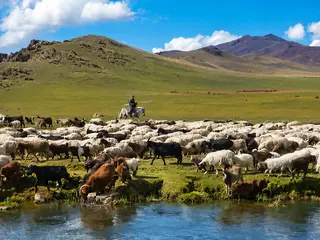
Using KAP and Household Livelihood Surveys for Adaptive SLM and Landscape Restoration [Mongólia]
The Approach combines Knowledge, Attitudes and Practices (KAP) assessments with household livelihood surveys to guide the planning, implementation and adaptive management of sustainable land management (SLM) and landscape restoration in Mongolia. Baseline and follow-up assessments provide evidence for improving stakeholder engagement, capacity development, livelihood support and natural resource management interventions.
- Compilador/a:
- Undarmaa Dagvasuren
- First published:
- 2026-08-21 09:18
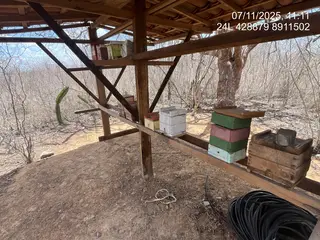
Meliponário em comunidade fundo de pasto no semiárido [Brasil]
A tecnologia aqui descrita é para a prática da meliponicultura, nome dado à criação racional de abelhas nativas sem ferrão.
- Compilador/a:
- Thiago Roberto Soares Vieira
- First published:
- 2026-08-19 10:00
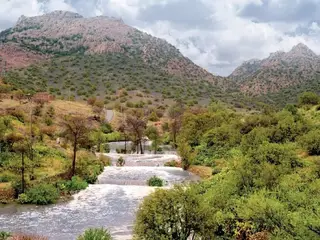
التشجير الموقعي بالأنواع النباتية المحلية في البيئات الجبلية – منتزه الطائف الوطني [Arábia Saudita]
تتمثل التقنية في التشجير الموقعي بالأنواع النباتية المحلية في المواقع الجبلية المتدهورة، من خلال اختيار مواقع الغرس الملائمة، وزراعة الشتلات المحلية ورعايتها، إلى جانب الحماية وإدارة الموقع لدعم التجدد الطبيعي واستعادة الموائل. وتسهم التقنية في تحسين الغطاء النباتي، والحد من انجراف التربة، وتعزيز التنوع الحيوي واستدامة وظائف النظام البيئي في منتزه الطائف الوطني (حمى سيسد).
- Compilador/a:
- Awadallah Dafaallah
- First published:
- 2026-08-17 14:01
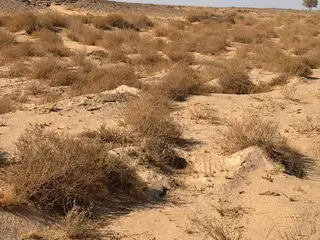
استعادة النظام البيئي القابلة للتكرار عبر وحدات بيئية – محمية الملك سلمان الملكية [Arábia Saudita]
استعادة النظام البيئي القابلة للتكرار استناداً إلى تقسيم المناطق إلى وحدات بيئية في المناطق القاحلة من خلال تكرار نموذج بشكل متكرر في عدة مواقع لضمان توسيع نطاق التأثير وتحقيق إعادة تأهيل الأراضي في هذه الوحدات البيئية
- Compilador/a:
- Ahmed Elkhouly
- First published:
- 2026-08-17 13:58
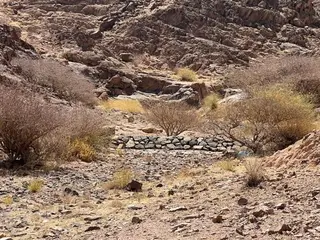
الهندسة البيئية للأودية وتقنيات حصاد المياه الذكية لاستعادة الغطاء النباتي في المناطق شديدة الجفاف – منتزه الصهوة الوطني [Arábia Saudita]
تقنية قائمة على الحماية البيئية وحصاد مياه الأمطار في الأودية بهدف استعادة الغطاء النباتي في البيئات شديدة الجفاف، من خلال تقليل الضغوط البشرية (الرعي، حركة المركبات)، وتعزيز احتجاز المياه السطحية، وتحسين رطوبة التربة، مما يؤدي إلى تنشيط التجدد الطبيعي للأنواع المحلية وزيادة استقرار النظام البيئي. وقد أثبتت النتائج تحسنًا ملحوظًا في الغطاء النباتي والإنتاجية الأرضية مع زيادة في مؤشرات الاخضرار وانخفاض في التدهور.
- Compilador/a:
- Awadallah Dafaallah
- First published:
- 2026-08-17 13:32
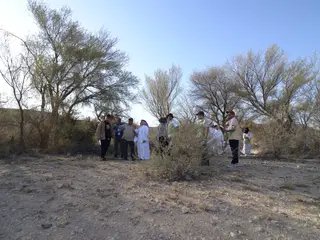
نهج استعادة المواطن البيئية في منتزه حريملاء الوطني القائم على إدارة المنتزه والمشاركة المجتمعية [Arábia Saudita]
نهج مؤسسي تشاركي لاستعادة المواطن البيئية في منتزه حريملاء الوطني، يجمع بين إدارة المناطق المحمية، والتخطيط القائم على الأدلة، وإشراك المجتمع، والتشجير بالأنواع المحلية، والحماية والرصد المستمر، بهدف استعادة وظائف النظام البيئي وتعزيز استدامة الأراضي في البيئات الجافة.
- Compilador/a:
- Awadallah Dafaallah
- First published:
- 2026-08-17 12:50
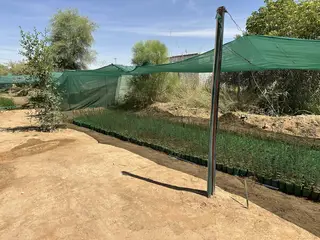
التجدد الطبيعي المدعوم على نطاق واسع وحفظ التربة والمياه في الأراضي الجافة: حالة منتزه ثادق [Arábia Saudita]
تقنية استعادة واسعة النطاق في الأراضي الجافة تقوم على دعم التجدد الطبيعي وحماية المواقع المتدهورة، مع إبطاء الجريان السطحي واحتجاز التربة والرواسب عبر السدود المدرجة وجدران الأودية وحفر حصاد المياه، ثم تعزيز الغطاء النباتي بالأنواع المحلية عند الحاجة من خلال المشتل والزراعة الإثرائية والري التكميلي خلال مرحلة التأسيس
- Compilador/a:
- Ibrahim Nasr
- First published:
- 2026-08-17 12:07
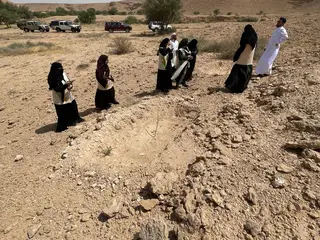
اقواس حصاد المياه على منحدرات الجبال - منتزه الغاط الوطني [Arábia Saudita]
زيادة الغطاء النباتي تتحقق عبر تطبيق تقنيات حصاد مياه الأمطار باستخدام الأقواس النصف هلالية المُنفَّذة وفق طريقة رجل البطة للتشجير وزيادة الغطاء النباتي. تعتمد هذه المنهجية على الزراعة الجافة لزراعة الأنواع المحلية, ما يعزّز كفاءة استغلال مياه الأمطار ويرفع نسبة النجاح
- Compilador/a:
- saleh ashari
- First published:
- 2026-08-17 11:33
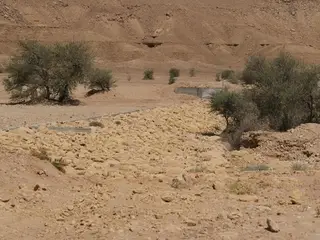
تقنية متكاملة لإعادة تأهيل الاودية: الحماية والحصاد المائي في البيئة الجافة / منتزه الصفرات [Arábia Saudita]
تقنية متكاملة لإعادة تأهيل الأودية تعتمد على الحماية البيئية والحصاد المائي لتعزيز كفاءة إدارة الموارد المائية في البيئة الجافة. تُطبق هذه التقنية في متنزه الصفرات بمنطقة الرياض في المملكة العربية السعودية للحد من التعرية، وتنظيم الجريان السطحي، ورفع كفاءة تجميع مياه الأمطار. كما تسهم في تحسين الغطاء النباتي، ودعم الاستدامة البيئية، وتعزيز تغذية التربة والمياه الجوفية في الأودية المتدهورة. وتُمثل هذه المنظومة حلاً هندسياً وبيئياً متكاملاً لتحقيق تنمية مستدامة ورفع مرونة النظم الطبيعية في المناطق الجافة.
- Compilador/a:
- Abdallah AlNefai
- First published:
- 2026-08-17 09:41
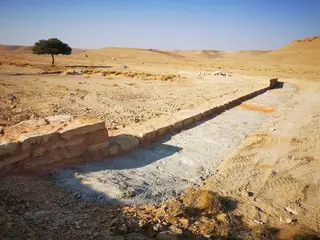
إبطاء الجريان السطحي بالمدرجات الحجرية والتشجير المنظّم في وادي الفقي – منتزه شعيب المحالب [Arábia Saudita]
تقنية استعادة وحفظ للتربة والمياه في الأراضي الجافة تقوم على إنشاء مدرجات/حواجز حجرية صغيرة عبر مجاري الجريان والمنحدرات الدقيقة لإبطاء السيل، وزيادة ترسيب الرواسب، وتحسين تسرب المياه ورطوبة التربة، ثم دعم الموقع بتشجير منظّم بالأنواع المحلية على امتداد المجاري والمصاطب المترسبة والمناطق الأكثر ملاءمة للاستقرار النباتي.
- Compilador/a:
- Ibrahim Nasr
- First published:
- 2026-08-17 09:28
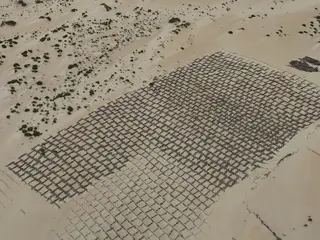
تقنية تثبيت الرمال باستخدام سعف النخيل الجاف بالكثبان الرملية بالقرب من بحيرة الاصفر-محافظة الاحساء [Arábia Saudita]
بالمنطقة المحيطة ببحيرة الأصفر بالأحساء، جرى استخدام سعف النخيل الجاف لتثبيت الكثبان الرملية، حيث جُمعت الحزم وثُبتت على شكل مربعات أو صفوف تعمل على كسر قوة الرياح وحجز الرمال المتحركة وترسيبها. وقد أثبتت هذه الطريقة أن سعف النخيل يُعد وسيلة طبيعية فعّالة وقليلة التكلفة لتثبيت الكثبان، وحماية البحيرة ومحيطها، إلى جانب حماية المزارع والطرق والبيئة المحلية.
- Compilador/a:
- Abdulrahman Althumayri
- First published:
- 2026-08-17 09:27
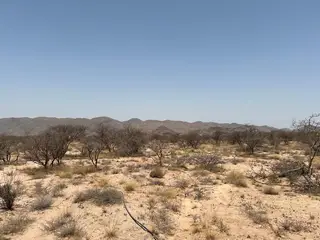
استعادة بيئية تفاعلية للأودية الجافة بمنصات حصاد مياه الأمطار والتشجير – منتزه البهيتة الوطني [Arábia Saudita]
تقنية مؤسسية للإدارة المستدامة للأراضي يهدف إلى استعادة الأودية الصخرية الجافة في متنزه البهيتة الوطني من خلال دمج الحماية، وحصاد مياه الأمطار، والتشجير بالأنواع النباتية المحلية، مع تطبيق الرصد البيئي باستخدام الاستشعار عن بُعد والتحقق الحقلي والإدارة التكيفية، بما يسهم في استعادة الغطاء النباتي وتحسين وظائف النظام البيئي وزيادة القدرة على مقاومة التصحر والتغير المناخي.
- Compilador/a:
- Awadallah Dafaallah
- First published:
- 2026-08-17 09:25
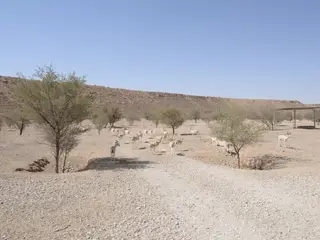
التشجير المحمي وتطوير الموائل لتعزيز التنوع الحيوي في الأودية شديدة الجفاف بمنتزه حريملاء الوطني [Arábia Saudita]
التشجير المحمي وتطوير الموائل في الأودية الجافة تقنية لاستعادة الأراضي طُبقت في متنزه حريملاء الوطني، وتجمع بين حماية المواقع، وزراعة الأنواع النباتية المحلية الملائمة، وإنشاء حفر/أحواض غرس لدعم استقرار الشتلات والاستفادة من مياه الأمطار والجريان السطحي، مع تحسين الموائل الطبيعية والحد من الضغوط البشرية والرعوية. وتهدف التقنية إلى استعادة الغطاء النباتي وتعزيز التجدد الطبيعي والتنوع الحيوي وتحسين استقرار النظام البيئي في البيئة الجافة.
- Compilador/a:
- Awadallah Dafaallah
- First published:
- 2026-08-17 09:24
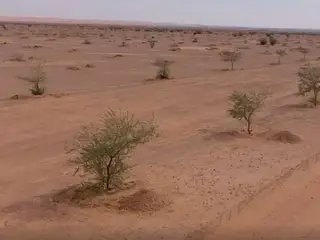
إعادة تأهيل السهول الحصوية بالحماية والتجدد الطبيعي والتشجير بالأنواع المحلية – متنزه أبا سمري الوطني [Arábia Saudita]
تقنية لإعادة تأهيل السهول الحصوية المتدهورة في متنزه أبا سمري الوطني، تعتمد على الحماية السلبية ودعم التجدد الطبيعي، مع التشجير الانتقائي بالأنواع النباتية المحلية وإدارة مياه الأمطار والجريان السطحي؛ بهدف استعادة الغطاء النباتي، وتحسين استقرار التربة، وتعزيز التنوع الحيوي في البيئة الجافة.
- Compilador/a:
- Awadallah Dafaallah
- First published:
- 2026-08-17 09:24
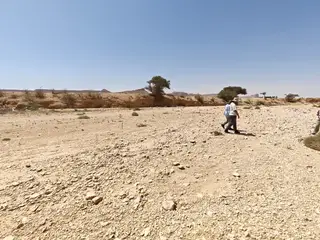
نهج الاستعادة البيئية الذكية التكيفية للنظم البيئية الجافة في منتزه القصيم الوطني [Arábia Saudita]
نهج مؤسسي تشاركي للإدارة التكيفية لاستعادة النظم البيئية في البيئات الجافة، يقوم على التخطيط القائم على تقييم الموقع، وتنسيق أدوار الجهات المعنية، وتوجيه تنفيذ تقنيات الإدارة المستدامة للأراضي، وربط الرصد والتقييم باتخاذ القرار لتحسين التدخلات وتعزيز استدامة نتائج الاستعادة وإمكانية توسيع نطاقها.
- Compilador/a:
- wafa alharbi
- First published:
- 2026-08-17 09:19
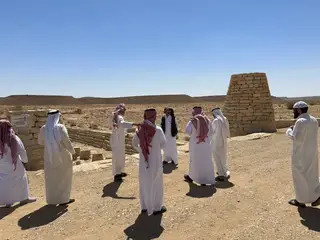
استعادة الغطاء النباتي المحلي وإدارته بمشاركة المجتمع المحلي في منتزه ثادق الجيولوجي (ثادق جيوبارك) [Arábia Saudita]
نهج تأهيل قائم على المشاريع ومتأصلاً محليًا، بقيادة المركز الوطني لتنمية الغطاء النباتي ومكافحة التصحر في حديقة ثادق الوطنية/حديقة شمال الرياض الجيولوجية، يجمع بين تجميع مياه الأمطار، وزراعة النباتات المحلية، والري التكميلي، والحماية، وتقديم المشورة الفنية، ومشاركة المجتمع المحلي، بهدف استصلاح الأراضي القاحلة المتدهورة، مع دعم جهود الحفاظ على البيئة، والتعليم، والسياحة، وفرص كسب العيش المحلية.
- Compilador/a:
- Ibrahim Nasr
- First published:
- 2026-08-17 09:16
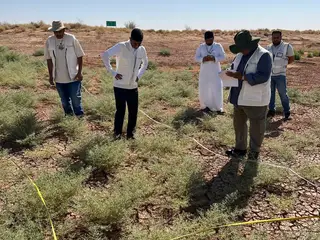
نهج الاستعادة البيئية التشاركية القائم على الحماية وتعزيز التجدد الطبيعي في متنزه أبا سمري الوطني [Arábia Saudita]
نهج استعادة بيئية تشاركي قائم على الحماية وتعزيز التجدد الطبيعي في متنزه أبا سمري الوطني، يدمج بين التدخلات الفنية منخفضة التكلفة (التسييج، الحماية، التشجير المحدود، حصاد المياه) وآليات إشراك المجتمع المحلي في الحماية والإدارة، بما يعزز استدامة الغطاء النباتي واستعادة وظائف النظام البيئي في البيئات الجافة.
- Compilador/a:
- Awadallah Dafaallah
- First published:
- 2026-08-17 09:15
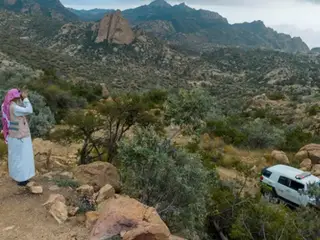
نهج الاستعادة البيئية التفاعلية لإعادة تأهيل النظم البيئية في منتزه البهيتة الوطني [Arábia Saudita]
نهج متكامل للاستعادة البيئية يهدف إلى إعادة تأهيل النظم البيئية المتدهورة في منتزه البهيتة الوطني من خلال الحماية، والتشجير بالأنواع المحلية، وتحسين إدارة الموقع، والرصد باستخدام الاستشعار عن بُعد والتحقق الميداني، بما يعزز التنوع الحيوي واستقرار التربة وخدمات النظام البيئي واستدامة الأراضي.
- Compilador/a:
- Awadallah Dafaallah
- First published:
- 2026-08-17 09:14
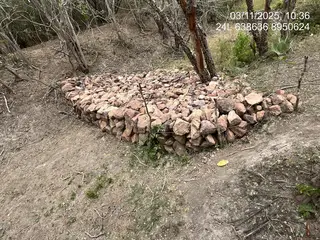
Barramento com Rocha Ombreirada para Cultivo em Aluvião com espécies da Socioetnobiodiversidade [Brasil]
Barrocal é um tipo de barramento construído com rochas em formato de arco, geralmente em cursos d'água temporários, o que permite reter água em áreas de aluvião para o cultivo de plantas.
- Compilador/a:
- Thiago Roberto Soares Vieira
- First published:
- 2026-08-16 08:55
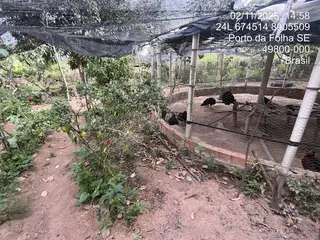
Produção Agroecológica Integrada e Sustentável (PAIS) em comunidade rural no semiárido [Brasil]
A proposta do Programa PAIS busca estabelecer um modelo geral de organização produtiva que tenha como base a integração das produções animal e vegetal em pequenos espaços. Para isso, opta-se por um desenho circular na forma de mandala, de modo a aproximar, e assim facilitar, as diferentes atividades, integrando-as e facilitando a visualização pelos agricultores da conexão das atividades de produção e reciclagem.
- Compilador/a:
- Thiago Roberto Soares Vieira
- First published:
- 2026-08-16 08:56
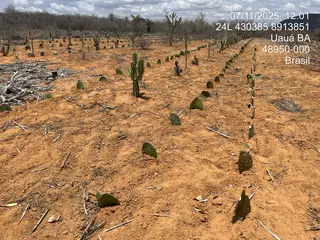
Sistema Agroflorestal Forrageiro com palma forrageira, umbuzeiro, craibeira e mandacaru [Brasil]
Um Sistema Agroflorestal (SAF) forrageiro no semiárido combina árvores, culturas e forrageiras para criar um sistema sustentável que fornece alimento para o gado, recupera o solo e aumenta a resiliência à seca.
- Compilador/a:
- Thiago Roberto Soares Vieira
- First published:
- 2026-08-16 09:11
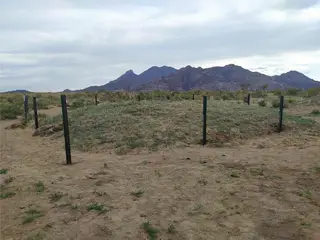
Restoration of Cynomorium songaricum through Host Plant Conservation and Management [Mongólia]
This restoration Technology integrates field-based conservation and laboratory biotechnological approaches to restore and conserve the rare parasitic plant Cynomorium songaricum (Dzungarian Cynomorium). It combines habitat protection, host plant management, seed collection, restoration trials and in vitro propagation to recover natural populations, conserve genetic resources and support the long-term restoration and sustainable management of fragile arid desert ecosystems.
- Compilador/a:
- Undarmaa Dagvasuren
- First published:
- 2026-08-14 13:09
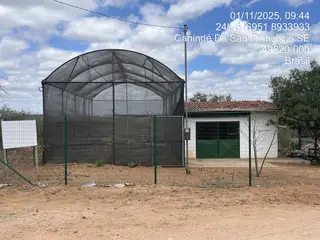
Viveiro Agroflorestal Comunitário de Produção de Mudas Nativas da Caatinga em assentamento de reforma agrária [Brasil]
O viveiro agroflorestal do assentamento mandacaru é uma tecnologia que consiste em uma estrutura para produção de mudas nativas da Caatinga e também de espécies frutíferas e ornamentais. A grande maioria das mudas plantadas são destinadas para áreas degradadas da Caatinga em Sergipe, seja por meio de projetos, empreendimentos rurais que demandam por mudas nativas.
- Compilador/a:
- Thiago Roberto Soares Vieira
- First published:
- 2026-08-16 09:15
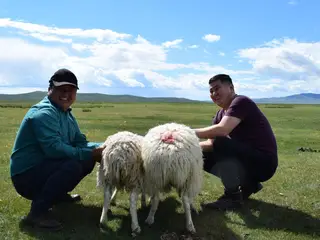
Lamb Fattening Practice for Sustainable Rangeland Management [Mongólia]
This technology is a sustainable herd management approach that reduces grazing pressure on Mongolia’s arid and semi-arid rangelands by improving lamb production and optimizing herd structure. Through supplementary feeding of lactating ewes, early marketing of male lambs, and improved herd management, it increases livestock productivity, enhances herder income, and supports long-term rangeland sustainability.
- Compilador/a:
- Undarmaa Dagvasuren
- First published:
- 2026-08-13 17:35
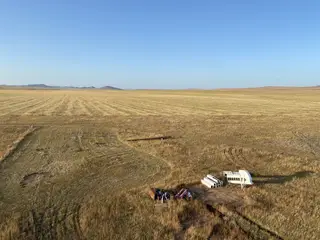
Conservation agriculture to restore abandoned cropland [Mongólia]
This technology aimed to restore abandoned cropland which was used for crop and fodder production during the 1970s-1980s. Since 2016, the farmer applied conservation agriculture and mixed cropping to reduce land degradation, revive cropping practices, increase land productivity for agriculture and enhance soil health.
- Compilador/a:
- Otgontsetseg Davaanyam
- First published:
- 2024-03-07 14:16
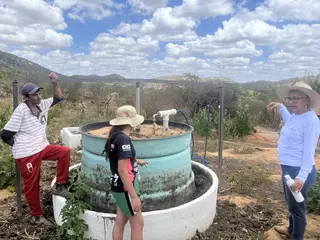
Reator Anaeróbico de Fluxo Ascendente e Biodigestor Sertanejo integrados as atividades produtivas [Brasil]
Tecnologia social integrada de saneamento rural que combina o Reator Anaeróbico de Fluxo Ascendente (UASB) para o tratamento do esgoto doméstico e o Biodigestor Sertanejo para a produção de biogás a partir de resíduos orgânicos. O sistema trata águas cinzas e escuras, elimina odores e vetores, e permite o reaproveitamento seguro da água tratada na irrigação de forragens e frutíferas e uso sustentável no biodigestor, que gera gás para uso doméstico e fertilizante orgânico para o agroecossistema benéfico na recuperação de áreas degradadas e o sustento familiar no semiárudo brasileiro.
- Compilador/a:
- Anny Catarina Nobre de Souza
- First published:
- 2026-08-13 10:32
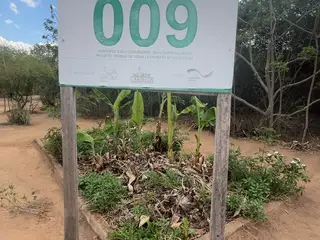
Sistemas Integrado de Reuso de Águas Cinzas e Evapotranspiração [Brasil]
Tecnologias inteligentes que viabilizam o reuso seguro de águas cinzas domésticas e escuras por meio de sistemas filtrantes e evapotranspiração, permitindo irrigação de plantas, melhoria do saneamento rural e redução da pressão sobre fontes hídricas para produção de alimentos e forragens em sistemas produtivos próximos às residências das famílias.
- Compilador/a:
- Anny Catarina Nobre de Souza
- First published:
- 2026-08-13 10:29
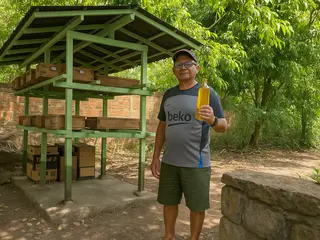
Sistema Sustentável de Criação da Abelha Jandaíra em Caixas de Madeira [Brasil]
Tecnologia de meliponicultura sustentável que utiliza caixas de madeira instaladas em abrigo elevado para o manejo e desenvolvimento da abelha Jandaíra, promovendo conservação da biodiversidade, polinização e geração de renda local.
- Compilador/a:
- Rita Marcia Vieira
- First published:
- 2026-08-13 09:53
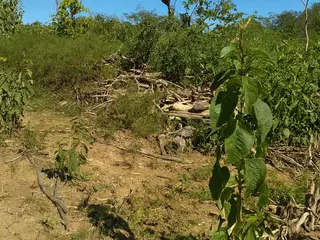
Manejo Florestal em Área de Projeto de Assentamento [Brasil]
Manejo florestal comunitário realizado em área de projeto de assentamento baseado na extração sustentável de lenha . A atividade segue técnicas de corte seletivo, rotação de áreas , garantindo a regeneração natural da vegetação e a manutenção da disponibilidade de recursos florestais.
- Compilador/a:
- Rita Marcia Vieira
- First published:
- 2026-08-13 09:38
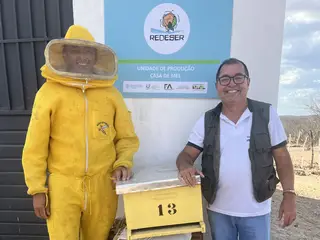
Manejo de abelhas para conservação ambiental em unidade produtiva casa de mel [Brasil]
Tecnologia desenvolvida no Projeto REDESER voltada ao manejo sustentável de abelhas derivadas da meliponicultura e apicultura, promovendo a polinização, a conservação ambiental e a geração de renda por meio da produção de mel e derivados em unidade produtiva casa de mel para beneficiamento comunitário.
- Compilador/a:
- Anny Catarina Nobre de Souza
- First published:
- 2026-08-13 10:23
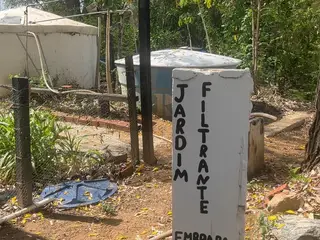
Jardim filtrante para reuso de águas cinzas e saneamento rural produtivo [Brasil]
É um pequeno lago impermeabilizado, que contém pedras, areia e plantas aquáticas, com manutenção muito simples, para tratamento do esgoto proveniente de pias, tanques e chuveiros, ricos em sabões, detergentes, restos de alimentos e gorduras – a chamada “água cinza”. Integra as tecnologias desenvolvidas para o saneamento básico rural.
- Compilador/a:
- Anny Catarina Nobre de Souza
- First published:
- 2026-08-13 16:01
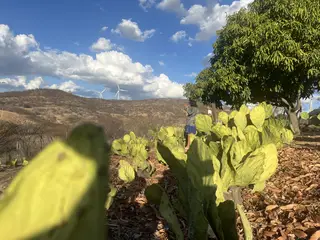
Sistema Agroflorestal Forrageiro para recuperação de áreas degradadas [Brasil]
Tecnologia desenvolvida no Projeto REDESER por meio da implantação de arranjos agroflorestais voltados à recuperação de áreas degradadas e conservação da caatinga, combinando espécies nativas e forrageiras, para melhorar a fertilidade do solo, ampliar a oferta de alimento animal e fortalecer a resiliência produtiva em períodos de seca.
- Compilador/a:
- Anny Catarina Nobre de Souza
- First published:
- 2026-08-13 10:24

Reflorestamento de áreas degradadas com hidrogel [Brasil]
A tecnologia refere-se ao reflorestamento de área degradada, utilizando-se de mudas nativas do bioma Caatinga por meio de plantio direto com técnicas de adubação natural e emprego de hidrogel para retenção de água no solo.
- Compilador/a:
- Anny Catarina Nobre de Souza
- First published:
- 2026-08-13 10:25
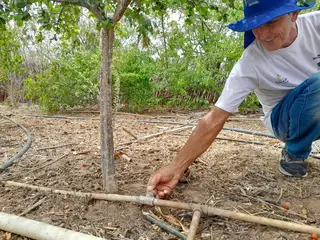
Agrofloresta sobre barragem subterrânea integrada a cisterna telhadão [Brasil]
A tecnologia implantada é do tipo Sistema agroflorestal. Integra um consórcio de plantio de frutíferas e hortaliças com a vegetação de Caatinga natural e reflorestada, subsidiada por estrutura hídrica proveniente da captação das chuvas, armazenada em cisternas, e subterrânea com barramento subsuperficial.
- Compilador/a:
- Anny Catarina Nobre de Souza
- First published:
- 2026-08-13 10:26
- . . .